











Howard Draebk Thursday, February 26, 2015

Wheres The Remote?

Believe it or not, its been only five years next month since the first iPad was released. Even though it sometimes seems the tablet computers were developed for aviation use, its been even less time since they were first used in a cockpit. The fact is many pilots these days cant imagine life without a tablet computer of some sort enhancing their situational awareness or displaying a needed chart. And as more and more performance, capability and convenience were shoehorned into them, it was just a matter of time before they were embraced by avionics manufacturers.

Read More »
Howard Draebk Tuesday, September 16, 2014

Building Margins

Over the past several years, the FAA and industry have promoted establishing and adhering to personal minimums as a way to manage the risk inherent in personal aviation. These are viewed as self-imposed limitations based upon personal experience, training and certification, equipment or other factors. Some people grumbled and others enthusiastically embraced the concept. Your reaction, as well as mine, depends on how you and I approach the subject. One way to look at personal minimums is to think of them as creating margins separating us from greater risk.

Read More »
Howard Draebk Tuesday, July 22, 2014

Wind Triangles Revisited

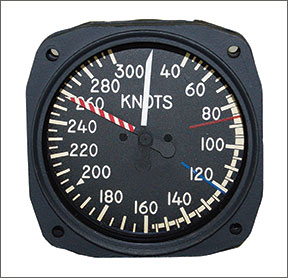
Airspeed is one of the first things we learn about in fixed-wing primary training, It’s an all-important tool for managing an airplane’s performance and helps us determine when we can do certain things, like deploying flaps or lowering landing gear. Too, pilots typically are taught to “aim” for a certain airspeed when performing various maneuvers and at various stages of normal flight. But there are different kinds of airspeed. For example, what we read directly off the instrument panel is subject to error and interpretation, and often must be corrected before it can be used for even basic tasks like navigation. Depending on the aircraft and the conditions, the airspeed instrumentation we use can be merely advisory, or it can be wildly inaccurate for our immediate needs.

Read More »