
In an era of satellite-based precision approaches, a pilot’s understanding of how to find the destination airport using a nondirectional beacon might seem a waste of time. But in the United States, hundreds of NDBs remain in service, according to the FAA. Alaska alone has 70.
Chart Wise: Training and Technique

Key Takeaways:
- Nondirectional beacons (NDBs) remain widely in service, serving as cost-effective IFR approach options, especially where GPS overlays aren't yet available, despite their rudimentary functionality.
- NDB signals are prone to fluctuations from weather and thunderstorms, requiring constant pilot attention including continuous audio Morse code ID monitoring during approaches.
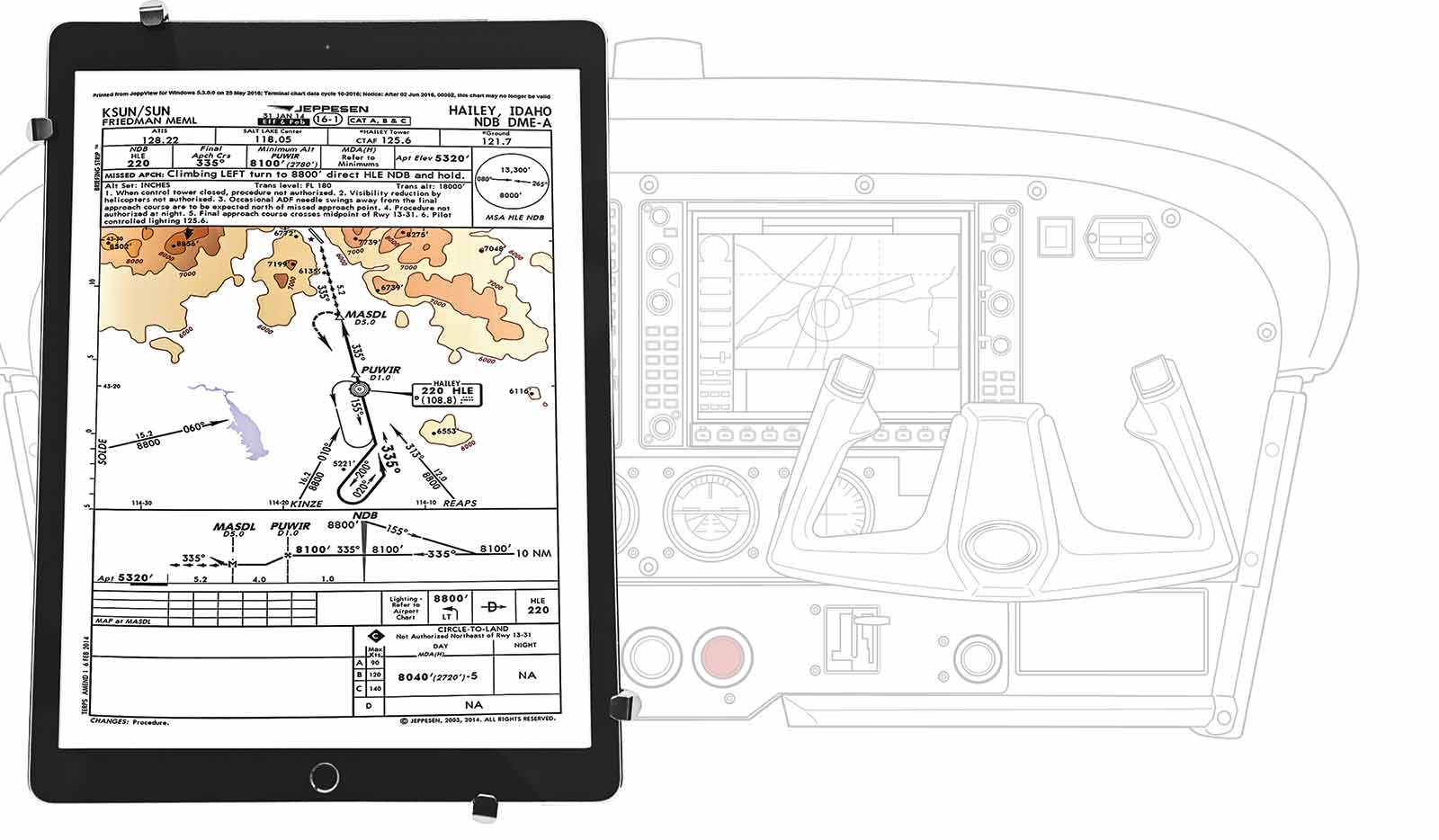
- Specific NDB approaches can have complex requirements, such as demanding additional equipment like DME, strict usage restrictions (e.g., no night flights or tower closure), and unusual definitions for the missed approach point.
- Pilots must be highly attentive to specific details like the final approach fix being after the beacon, circling restrictions, and often high minimums (visibility and altitude above surface).
Key takeaways sponsored by Aviator Pro | Start Your Training ->
See a mistake? Contact us.