













Register

LPV—Precision or not?

We all know an ILS is a precision approach. But there’s much confusion about whether an RNAV (GPS) approach to LPV minimums is. (Spoiler alert: Sometimes …)

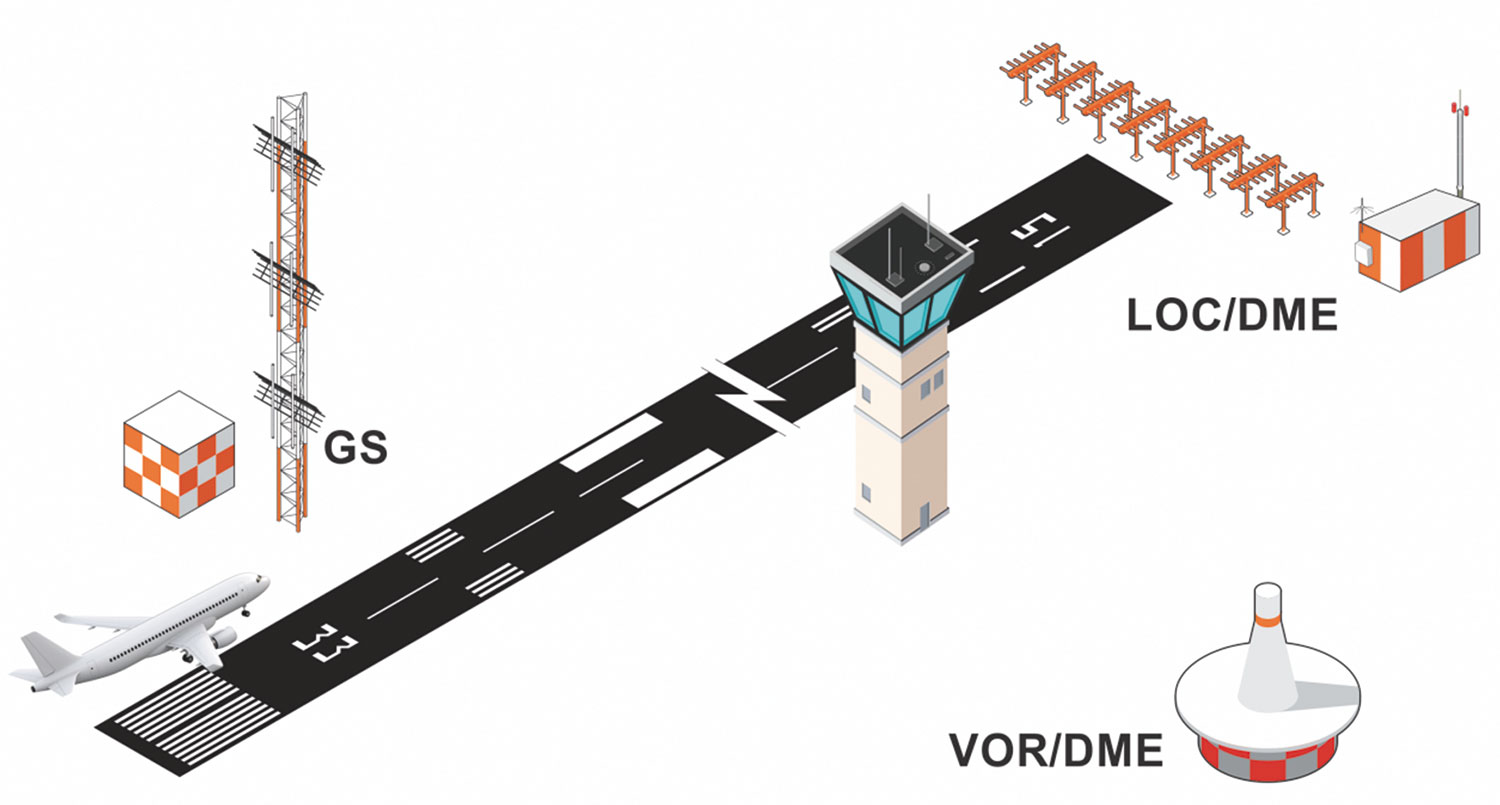
This FAA diagram nicely shows the various antennas associated with an ILS.
Gemini Sparkle

Key Takeaways:

  • ILS (Instrument Landing System) is a ground-based system using radio signals for lateral and vertical guidance, historically considered the "gold standard" for precision approaches and currently the only option for Category II/III landings.
  • LPV (Localizer Performance with Vertical Guidance) is a satellite-based approach requiring WAAS-enabled GPS, offering high accuracy and stability comparable to a Category I ILS, without signal bends or false glidepaths.
  • Despite LPV's superior accuracy, the FAA generally classifies it as an "Approach with Vertical Guidance" (APV) rather than a "precision approach" for operational rules (e.g., alternate airport minimums) primarily due to the lack of a mandatory approach lighting system (ALS).
  • For pilot certification and currency purposes, however, LPV approaches are now accepted as counting toward precision approach requirements.
See a mistake? Contact us.

Perhaps it’d be best if we first take a broad look at the differences between an ILS and an LPV approach. A significant difference between the ILS and LPV is that the ILS is a ground-based system with several components that operate as a federated system to provide approach guidance. On the aircraft side, you must have a VHF localizer receiver, a UHF glideslope receiver, or a multimode receiver that incorporates both, and a method to determine noted distances from the runway threshold (marker beacon, compass locator, DME, radar, VOR cross radials). 

The LPV approach is satellite-based; however, it also requires a ground-based station(s) to determine any errors in the “raw” GPS position and broadcast a correction. The detection of errors in the GPS position is the basis for the wide-area augmentation system (WAAS). GPS errors are also monitored via receiver autonomous integrity monitoring (RAIM), but WAAS makes it redundant. Let’s dig into this in more detail. 

Ready to Sell Your Aircraft?

List your airplane on AircraftForSale.com and reach qualified buyers.

List Your Aircraft
AircraftForSale Logo | FLYING Logo
Pilot in aircraft
Sign-up for newsletters & special offers!

Get the latest stories & special offers delivered directly to your inbox.

SUBSCRIBE
