













Register

Custom Checklists

There’s some misinformation out there, so let’s be clear: In Part 91, you are permitted to make your own checklist. But if you do, there are things to consider.

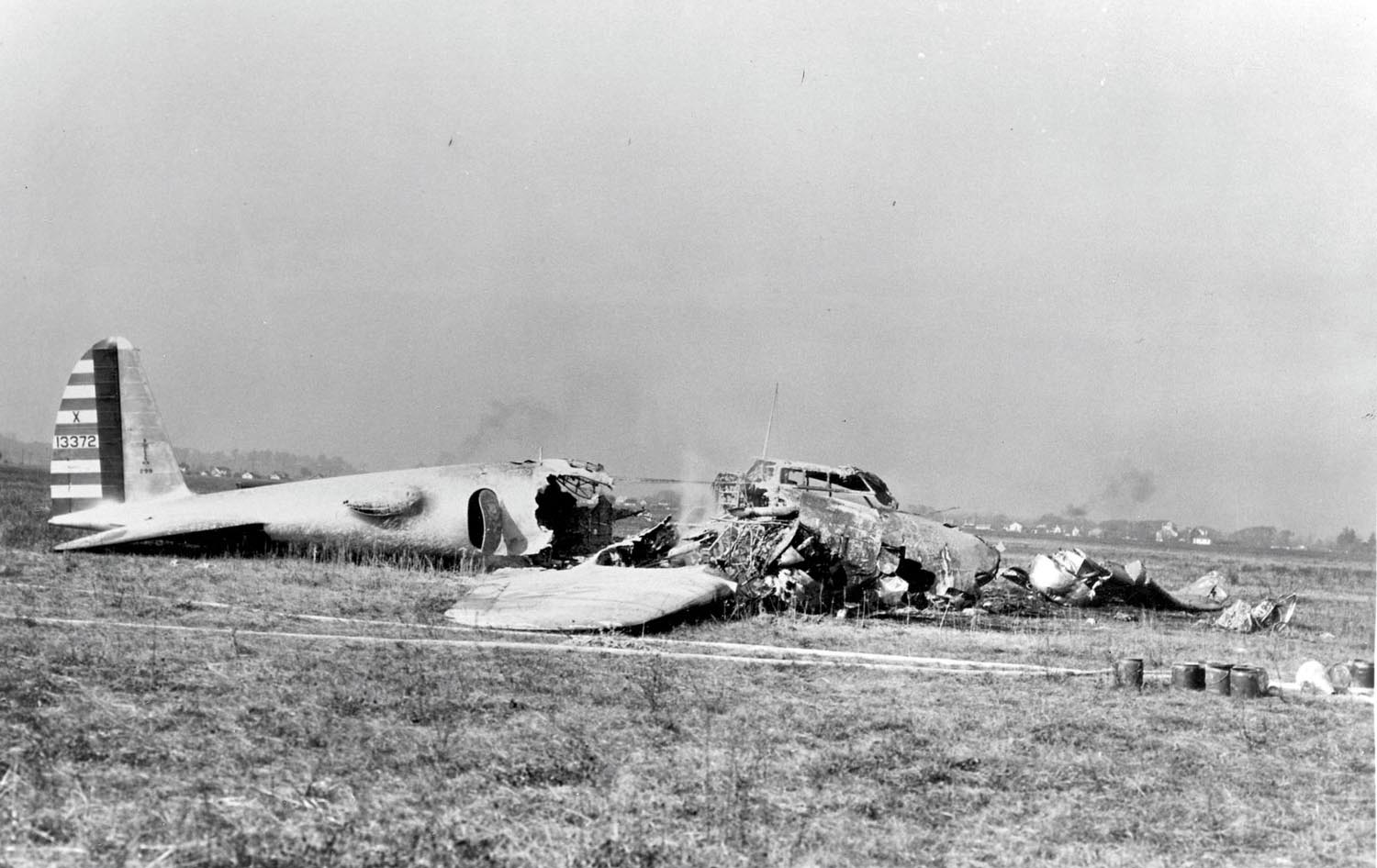
Side view of the Boeing XB-17 (Model 299) after the fire was extinguished. (U.S. Air Force photo)
Gemini Sparkle

Key Takeaways:

  • Aircraft checklists originated from a 1935 B-17 crash, proving the necessity of a systematic memory aid for increasingly complex aircraft to ensure proper configuration throughout all flight phases.
  • While pilots can customize checklists for Part 91 operations, it is critical to meticulously compare them against the manufacturer's POH/AFM to prevent dangerous omissions.
  • Effective checklist design includes considerations for item ordering, length, clear phraseology, typography, and method of use (Do-Read vs. Read-Do), with the creation process itself deepening pilot understanding and safety.
See a mistake? Contact us.

On October 30, 1935, a Boeing 299, a prototype of the B-17 Flying Fortress, departed Wright Airfield in Ohio and immediately entered a steep climb. The aircraft stalled and crashed, killing two pilots of the five men aboard.

Investigation revealed that the pilots failed to unlock the aircraft’s rudder and elevator gust locks. Boeing investigators realized that aircraft had become too complex to manage by memory. This insight led them to create the first preflight checklist, which led to the comprehensive checklists of today.


Ready to Sell Your Aircraft?

List your airplane on AircraftForSale.com and reach qualified buyers.

List Your Aircraft
AircraftForSale Logo | FLYING Logo
Pilot in aircraft
Sign-up for newsletters & special offers!

Get the latest stories & special offers delivered directly to your inbox.

SUBSCRIBE