













Register

Make a Safety Net

Destination alternates are common elements in any plan, but not so much takeoff alternates. They can be a big help should a flight get cut really short.

Gemini Sparkle

Key Takeaways:

  • Departing in low IFR (LIFR) conditions necessitates stringent pilot judgment and personal minimums that often exceed legal requirements due to increased risks.
  • Thorough pre-flight planning is crucial, including detailed weather interpretation, a tailored takeoff briefing, and specific emergency procedures for potential return or off-field landings.
  • Always establish a suitable IFR departure alternate and maintain continuous awareness of surrounding terrain and obstacles, especially during low-visibility climbouts.
See a mistake? Contact us.

Departing into the lowest feasible weather is like landing after breaking out at the bare minimums—we’re constantly honing our skills for these conditions, but it’s rare to actually use them. Maybe that’s why there’s that mental re-grouping when we wake up on a chilly morning, surprised to look out at low-hanging mist and fog. It might be legal to go, but can you go? Should you? The lure of better weather just a few miles away then takes hold, and so you decide to wait—once ceilings lift a little, this becomes just an IFR departure from the home airport. That’s what the rating is for, right?

Low Enough

Such is the situation at Nashville’s John C. Tune, where you’re having coffee with a hangar neighbor. She’s also waiting for it to clear up some to get a ride to Peachtree, Georgia, to pick up her bird after a maintenance project. You’re taking your faster retractable, so it’s maybe a couple of hours to Peachtree. Still, the mission is on a bit of a schedule due to the shop hours. The plan was to meet at your hangar first thing so you can make a leisurely round trip from KJWN to KPDK; in between you can assist the other pilot with a thorough ground inspection and test flight well before the mechanics head out for the day. Then, you’ll each fly your respective aircraft home. For now, though, maybe brew another pot of coffee and grab breakfast—departure will be behind schedule thanks to the current METAR:


00000KT 1/2SM FG VV001 01/01 A3013

This’ll all clear up by the time you land at Peachtree, so your friend can return in the good weather she’ll want for the next couple post-maintenance flights. For now, though, it’s either go soon, or re-schedule. Naturally, it’s not your preference to go up in anything less than approach minimums for an available runway.

Your ILS 20 offers 701–3/4. Airport elevation (same as touchdown zone) is 501 feet. So it’s not quite there yet. Plus, the fog can easily mess around with both visibility and ceiling, letting one or the other rise and fall before the temperature and humidity stabilize for the day. Speaking of which, is “VV001” the same as a 100-foot cloud ceiling, right? Kinda. The AIM’s Meteorology section (for a long scroll, check out 7-1-29) defines vertical visibility as “indefinite ceiling height” that “indicates total obscuration” (Yep, the AIM underlines this.) And so the METAR’s full reading of “VV001” is “indefinite ceiling 100.”

Whatever the wording, you want 200-1 to depart. For now, you know that any report below 500 feet and/or less than one-mile visibility isn’t merely IFR, but low IFR. Of course, these qualifiers are more of an FYI than a legal mandate, especially for Part 91. But seeing the term “LIFR” can, and probably should, prompt a closer look at the options, given the potential hazards and demands that exist with that low weather.

Mere “IFR” indicates a ceiling of 500-999 feet, and/or one- to three-miles visibility. And accomplished pilots like you and your hangar neighbor don’t ignore the Marginal VFR tag for 1000-3000 feet and/or three- to five-miles visibility, because there are times when you want it to be at least that for some IFR flights. Today’s a good example, as you want the return flight to be well into the basic VFR category, which is above 3000-5 (it’s gotta be both ceilings and vis to count). With the forecast later on going to 5000 scattered at PDK and clear skies waiting back home, the plan will work well once you get outta town.

Beef It Up

Start by getting refreshed on the ILS as it’s the key to getting back in to KJWN if something goes wrong on climbout. And no, you can’t turn to the RNAV 20, you checked it too: It has higher minimums of 856-1-1/4. So pre-load the ILS in case you need it quickly. Then double-check NOTAMs to ensure the approach system is fully operating. That’s all good to know, but ask yourself about practicalities. First, what emergencies will actually allow a return via the ILS (to minimums), and second, is there a significant risk of not being able to get in? And if so, then what?

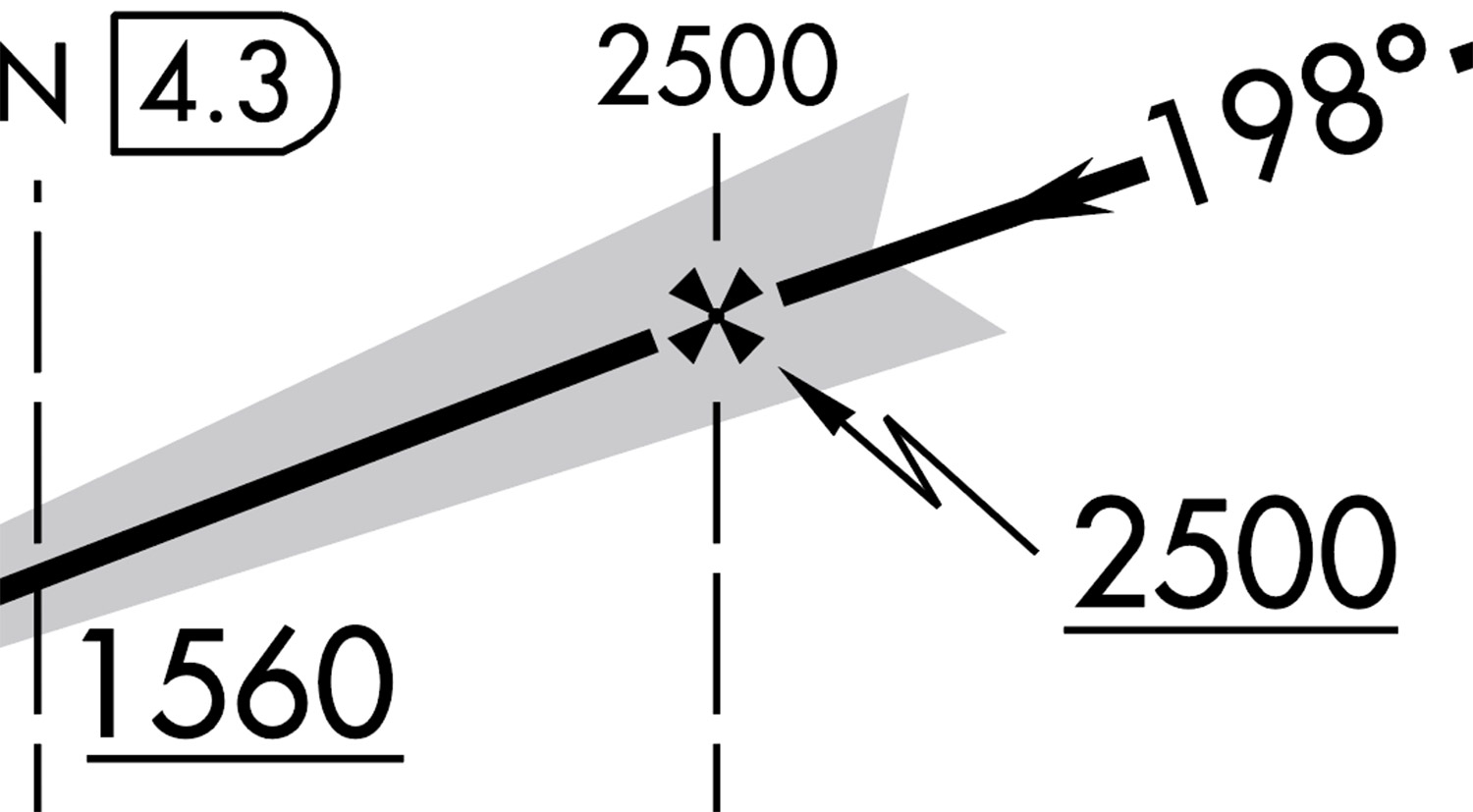
Your go/no-go deadline is in an hour. Take time to answer these questions. But first, a tailored takeoff briefing: No intersection departures today (you sometimes use the next-to-last taxiway to enter the runway with more than 4000 feet remaining). During the takeoff roll, if you see, hear or smell anything abnormal, abort (throttle to idle, brake straight ahead). Upon takeoff, it’s on instruments at your predetermined climb speed (100 knots). See, hear or smell anything now? Continue the departure procedure if possible. Yep, there’s the Tune One Departure—fly assigned heading to 3000 feet, which meets the obstacle clearance guidelines noted in the takeoff/obstacle notes for the airport. The meat of it lies in the minimum climb requirement for Runway 20: 415 feet per NM to 1700, which you can exceed, provided all is operating normally.

If you experience a problem but can keep flying, at least for a few minutes, fly the ILS back in. Potential issues in this bucket include loss of instruments, or an alternator failure. Oil pressure light? This is riskier should it lead to loss of power, but it’s certainly possible to continue for a bit if temperatures look okay. And don’t waffle on declaring an emergency if you want priority to the runway and equipment on hand.

Next is the can’t-fly-all-the-way-back category: a significant loss of power, or a flight control problem—anything that you quickly determine could be an off-field emergency. If you continue reading the airport obstacle notes for Runway 20, you’ll see that it’s important to stay on the centerline to avoid trees on either side, followed by the need to avoid “Transmission towers beginning 2983’ from DER, from 746’ left of centerline, up to 144’ AGL/550’ MSL.”

If you really want to consider all the what-ifs, forget about parsing the 200-1 stuff. Taking off into mere IFR conditions below 1000-3 means not being able to see obstacles ahead in a low-altitude emergency. Maybe you should start the habit of raising departure requirements to fit the environment, or at the very least review aerial photos of the surrounding terrain and setting the GPS to continuously display all terrain and obstacles. Don’t have a free screen for this? Get one.

Last, But Not Least

After all that, you decide that today, at 200-1 and with ample time, you’ll depart. Odds are you’ll fly to Peachtree with a perfectly good airplane, but you don’t take it for granted. An IFR departure alternate is advisable in case of an issue and conditions at Tune drop below ILS minimums. Nashville’s main airport, KBNA, is close and reports better weather, but with a flag in the forecast:

18005KT 6SM BR FEW016 SCT090 05/03 A3013
TEMPO 0513/0514 5SM BCFG BR FEW002 BKN018 BKN025

Is this good enough for a departure alternate? You want a sure thing, so even “FEW002might be a concern, but the forecast window just before departure when the fog will regroup is troubling. Given the timing from Tune to Nashville, you decide to use Smyrna, KMQY, to the southeast. The longest runway favors the wind and with it the RNAV 14, with LNAV minimums of 1040-1 and weather now up to 600-5.

All the fuss about getting out of Nashville and this might still cancel in the end. Either way, you have backup plans that are good for any kind of departure, customized for the conditions and the airport. Decide, and stick to, whatever minimums you use. Get as much runway as you can, and don’t skimp on figuring out what lies just off the runway end. And when in doubt, put on another pot of coffee.

Elaine Kauh is a CFII in eastern Wisconsin. She doesn’t mind flight delays due to LIFR conditions because that means pancakes at the all-day breakfast place next to the airport.

Ready to Sell Your Aircraft?

List your airplane on AircraftForSale.com and reach qualified buyers.

List Your Aircraft
AircraftForSale Logo | FLYING Logo
Pilot in aircraft
Sign-up for newsletters & special offers!

Get the latest stories & special offers delivered directly to your inbox.

SUBSCRIBE