













Register

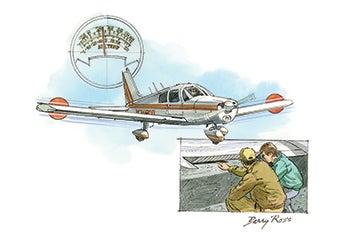
I Learned About Flying From That: Locked Controls

To see more of Barry Ross' aviation art, go to
barryrossart.com.
Gemini Sparkle

Key Takeaways:

  • A pilot experienced a critical loss of aileron control shortly after takeoff, caused by ice forming between the aircraft's aileron and an aftermarket gap seal in chilly, damp conditions.
  • The rapid temperature drop at altitude, combined with residual moisture, created a "perfect storm" that effectively froze the aileron, rendering it inoperable.
  • The pilot successfully landed the aircraft using rudder for control, highlighting the importance of basic flight skills in emergencies and underscoring unexpected icing risks related to aftermarket modifications.
See a mistake? Contact us.

It was a clear but chilly January morning when I arrived at Madison County Executive (MDQ) in Huntsville, Alabama, to return home after my first “real” cross-country flight. Three days earlier I had made the 462 nm journey from my home airport in Liberty, Missouri, to Huntsville. At this point I had roughly 95 hours in my 1977 Cherokee 140 and was thrilled to put my new ticket to use for something that was both practical and fun. The flight in was utterly uneventful, and I had every expectation that the return trip would be the same.

After loading my luggage I preflighted the airplane. Everything looked good — the FBO had filled the tanks, the tires and struts were properly inflated, the oil level was good, and the controls were free and clear. The air temperature was just a bit above freezing, so I let the engine idle for a few minutes after start-up, waiting for the oil temp needle to come off the floor. Once the oil was happy I taxied out, did my run-up and was off.


Ready to Sell Your Aircraft?

List your airplane on AircraftForSale.com and reach qualified buyers.

List Your Aircraft
AircraftForSale Logo | FLYING Logo
Pilot in aircraft
Sign-up for newsletters & special offers!

Get the latest stories & special offers delivered directly to your inbox.

SUBSCRIBE