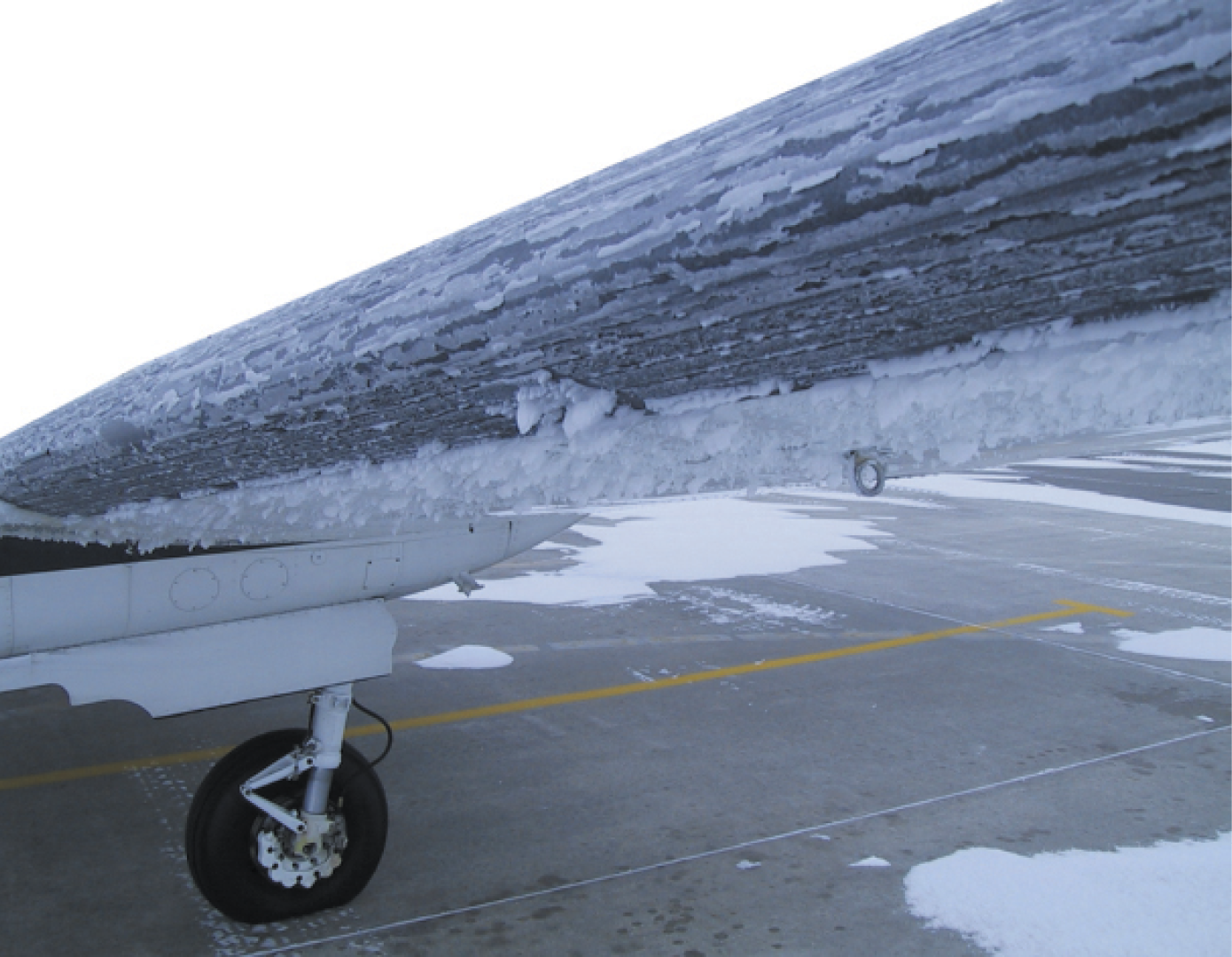
Regardless of whether or not you've got de-ice boots, ice is a hazard to be exited immediately.
Key Takeaways:
Pilots frequently encounter unexpected IFR challenges, including icing, instrument malfunctions, and severe weather, often exacerbated by high workload or misinterpreting instructions.
ATC provides extensive support and resources during emergencies, but pilots must also exercise strong PIC authority, trust their visual observations for immediate weather, and be proactive in requesting assistance.
Critical lessons include conducting meticulous pre-flight checks (e.g., pitot heat), careful data entry, adhering strictly to procedures like missed approach points, and prioritizing "Aviate, Navigate, Communicate."
Maintaining situational awareness and avoiding rushing are paramount for pilots to retain capacity for unforeseen events and make safe, informed decisions in dynamic IFR conditions.
The abstracts below derive from ASRS reports on Inflight Weather Encounters involving IFR. They illustrate a variety of real-world IFR weather problems and solutions. If Mother Nature throws you a curve, something you learn here might help someday.
The Icicle Twin
CREATE A FREE ACCOUNT
Sign up to keep reading
Create a free account to continue. Already a member? Sign in below.