













Register

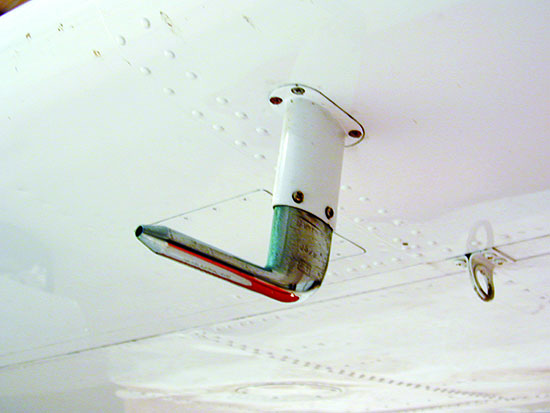
Pitot/Static Problems

Gemini Sparkle

Key Takeaways:

  • Instrument flying requires pilots to trust instruments over physical sensations, as the body's natural instincts can be disorienting, and real instrument failures are more complex than simulated ones.
  • Pilots must understand common pitot/static instrument failures, such as altimetry errors due to pressure/temperature changes or blockages affecting the airspeed indicator, VSI, and altimeter, as these can lead to significant safety hazards like terrain and traffic conflicts.
  • Mitigating instrument failure risks involves a diligent instrument scan for early detection, proper instrument settings (e.g., altimeter), knowing aircraft-specific procedures (e.g., alternate static source), and utilizing available backup resources like GPS or Air Data Computers.
See a mistake? Contact us.

will never forget my first time in true IMC. It was about halfway through my instrument training, during the winter months of New England. There were always challenges getting actual IMC experience; most of the quality clouds contained icing that prohibited any safe training.

Finally, it was a warm day with the freezing levels up above 10,000 feet. My instructor provided the typical advice: “Trust your instruments.” I knew IMC could be disorienting, but I was pretty confident. After all, I was deep into instrument training. Being under the hood was no problem.


Ready to Sell Your Aircraft?

List your airplane on AircraftForSale.com and reach qualified buyers.

List Your Aircraft
AircraftForSale Logo | FLYING Logo
Pilot in aircraft
Sign-up for newsletters & special offers!

Get the latest stories & special offers delivered directly to your inbox.

SUBSCRIBE