













Register

Ice Is Not Nice

Gemini Sparkle

Key Takeaways:

  • Icing presents diverse and critical threats to flight, causing engine power loss (carburetor ice), pitot-static system freezing leading to unreliable airspeed/altitude, and even cascading into unrelated avionics failures.
  • Pilots often misinterpret icing conditions, leading to delayed use of anti-icing measures or acceptance of risky clearances; proactive use of carb/pitot heat, thorough preflight checks, and prompt diversion are critical.
  • Decisive action and pilot preparedness are essential, including maintaining partial panel proficiency, consulting multiple weather sources, and having the courage to refuse unsafe ATC clearances or alter flight plans to escape rapidly deteriorating icing conditions.
See a mistake? Contact us.

Icing affects flight operations in many ways. Accordingly, we offer some thought-provoking reports from pilots who’ve been there. Little has been said about instrument malfunctions due to icing, and we discuss those in particular.

Chilly Carburetors

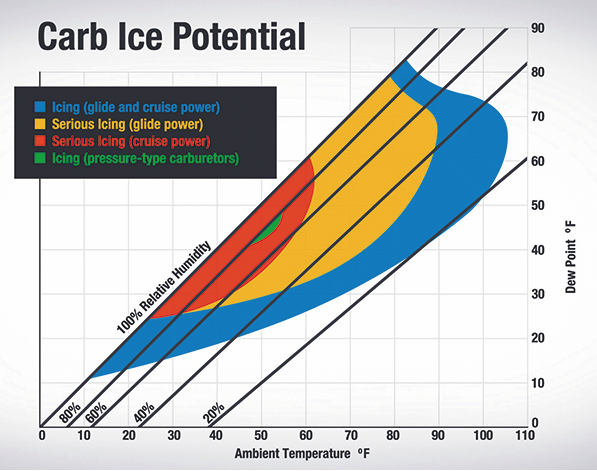
An instrument-rated Commercial pilot operating VFR experienced a sudden power interruption in his Cessna 150, followed by a surge and another interruption. He pumped the throttle to get intermittent power and enriched the mixture but did not apply carburetor heat. Gliding toward a diversionary airport, he activated the carb heat, but the engine was probably too cool by then for there to be enough heat left.


Ready to Sell Your Aircraft?

List your airplane on AircraftForSale.com and reach qualified buyers.

List Your Aircraft
AircraftForSale Logo | FLYING Logo
Pilot in aircraft
Sign-up for newsletters & special offers!

Get the latest stories & special offers delivered directly to your inbox.

SUBSCRIBE