













Register

Airwork: Ours Is Not to Reason Why

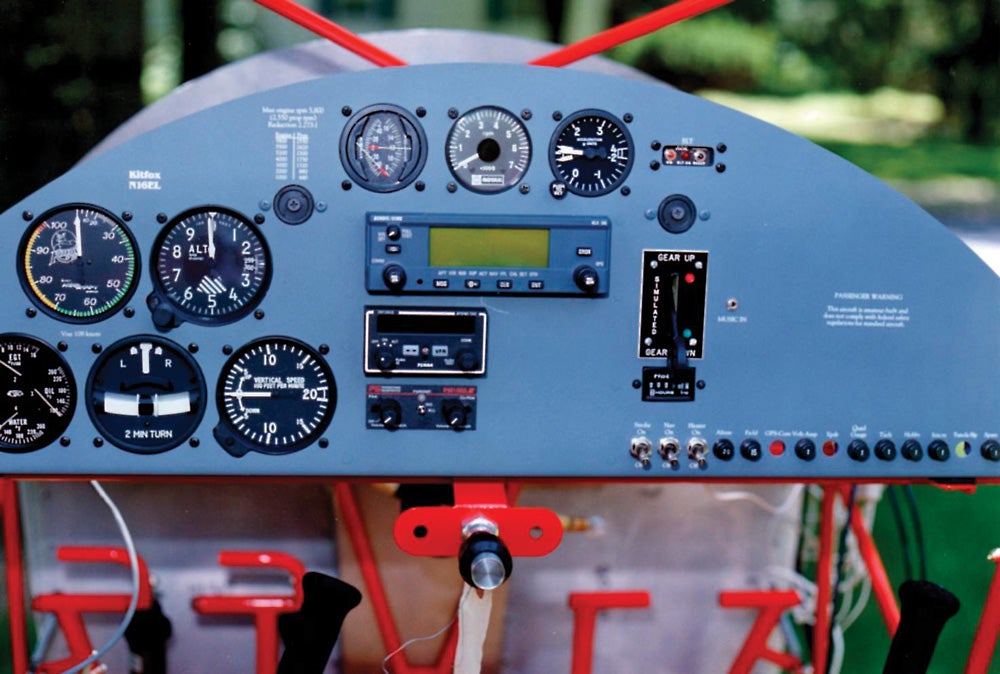
A basic gear simulator in a Kitfox. Nigel Moll
Gemini Sparkle

Key Takeaways:

  • General aviation is at a critical juncture, facing decline unless the industry and FAA collaborate to make flying safer, more affordable, and more attractive to foster healthy growth.
  • The author argues that many existing Federal Aviation Regulations (FARs) are unnecessarily complex, outdated, and lack clear rationale, contributing to high costs and hindering industry expansion.
  • Specific regulations questioned for their lack of justification include the 10-hour complex aircraft requirement for commercial pilots, the high-performance airplane definition, and the inability to credit dual instruction from a sport pilot instructor towards a private pilot certificate.
See a mistake? Contact us.

(January 2011) — Our industry is at an en route intersection. One airway leads to continued reduction in student starts, lack of retention of students and pilots, decline in flight activity and security-based encroachments on our privileges. On the other airway we might be able to sustain healthy growth and an expansion of the utility and pleasure of general aviation.

In order to wend our way along that more desirable course, we, as the aviation industry, need to involve aircraft manufacturers, flight schools, training material providers, user advocacy organizations, the Federal Aviation Administration and other stakeholders in developing new and better ways of making aviation safer, less expensive and more attractive to more people.


Ready to Sell Your Aircraft?

List your airplane on AircraftForSale.com and reach qualified buyers.

List Your Aircraft
AircraftForSale Logo | FLYING Logo
Pilot in aircraft
Sign-up for newsletters & special offers!

Get the latest stories & special offers delivered directly to your inbox.

SUBSCRIBE