











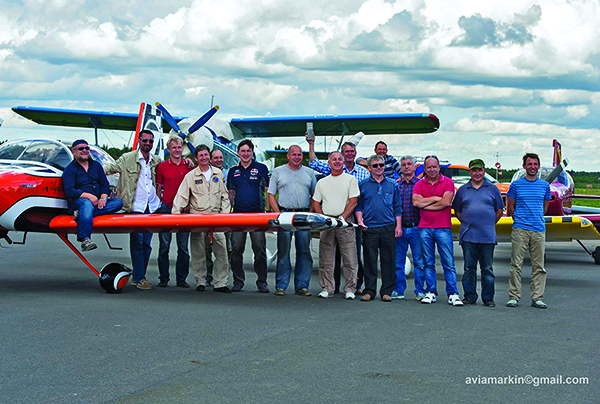


Initial reports on the crash of a Beechcraft 95-B55 Baron on June 28, 2013, were depressingly familiar. The aircraft was flying VFR through Broad Pass, near Cantwell, Alaska, and Denali, in instrument meteorological conditions (IMC) when it impacted terrain, killing all three aboard. A pilot who was waiting out the weather at nearby Summit Airport reported the ceiling was 250-300 feet broken and an overcast at 350 feet with fog in the trees, when he saw the Baron fly overhead. The NTSB determined the probable cause was the pilot’s continued visual flight into IMC, “which resulted in an in-flight collision with mountainous terrain.” It happens a lot in Alaska, making this Baron crash easy to dismiss. A closer look at events behind this accident, however, shows there is much more to the story.
The Baron was not flying alone on the day of the crash—it was the lead plane for 18 aircraft that were members of a self-fly air tour group with the company “Let’s Fly Alaska.” The accident pilot, who held airline transport pilot and flight instructor certificates, and had amassed some 4900 hours total time, was the longtime owner and operator of the company and set the day’s route, from Fairbanks to Homer, about 400 miles south, through Denali National Park and Preserve. The other aircraft following him were split in two groups, based on airspeed. According to the “fast group’s” lead pilot, the Baron was about 10 minutes ahead out of Fairbanks. When his group approached Windy Pass, north of the park, it encountered “low clouds, haze and restricted visibility.” Another aircraft in the area radioed that the pass was closed and so all of the aircraft in both groups chose to land at Healy Airport and wait out the weather. There was no radio contact with the Baron.

