













Register

Make Good Decisions

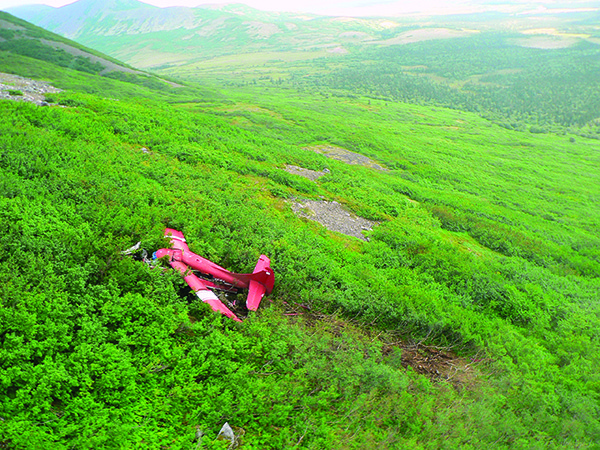
This image shows the site of the August 10, 2010, accident near Aleknagik, Alaska, of a de Havilland DHC-3T Turbine Otter that killed former U.S. Senator Ted Stevens and four others. Marginal VFR was observed at a facility 18nm from the site. The NTSB lists controlled flight into terrain as the defining event, but determined the pilot's "temporary unresponsiveness for reasons that could not be established from the available information" as the probable cause.
Gemini Sparkle

Key Takeaways:

  • Alaskan aviation accidents challenge the myth that they are primarily caused by inexperienced pilots, with similar VFR-into-IMC crashes occurring with pilots having vastly different flight hours.
  • Investigations into incidents like the Wings of Alaska and Taquan Air crashes revealed systemic failures beyond pilot error, including inadequate company operational control, poor training, and neglected safety procedures.
  • The FAA was also implicated for failing to ensure compliance with operational control procedures and correct known deficiencies, highlighting a shared responsibility for safety shortfalls.
  • These accidents underscore the critical need for formalized decision-making, rigorous weather assessment, and comprehensive, regular training for both flight crews and ground management to enhance aviation safety.
See a mistake? Contact us.

If you’re not familiar with Alaskan aviation, an analogy might be to compare it to operations in the Lower 48, but with more weather and terrain, and fewer paved airports. Because general aviation often is literally the only transportation available, external pressures to complete a proposed flight can be much greater. Predictably, the accident rates for both Part 91 and Part 135 operations are higher. And when it comes to aeronautical decision-making, one of the predominant myths associated with Alaskan aviation safety is that commercial accidents most commonly occur here because a young, inexperienced pilot from the Lower 48 was in the cockpit. Regardless of what the data reveals—in the last decade, the average PIC flight time for Part 135-involved accidents was about 9500 hours—the myth persists that pilot inexperience is at the root of poor decision-making.

A deeper look behind two accidents that are striking in their similarity, however, shows pilots with vastly different flight time can still find themselves in the same tragic circumstances. The crashes of Wings of Alaska and Taquan Air Service, which occurred in the same region three years apart, are an object lesson in why the root causes of Alaska’s chronically high accident statistics are much more complex than they appear.


Ready to Sell Your Aircraft?

List your airplane on AircraftForSale.com and reach qualified buyers.

List Your Aircraft
AircraftForSale Logo | FLYING Logo
Pilot in aircraft
Sign-up for newsletters & special offers!

Get the latest stories & special offers delivered directly to your inbox.

SUBSCRIBE