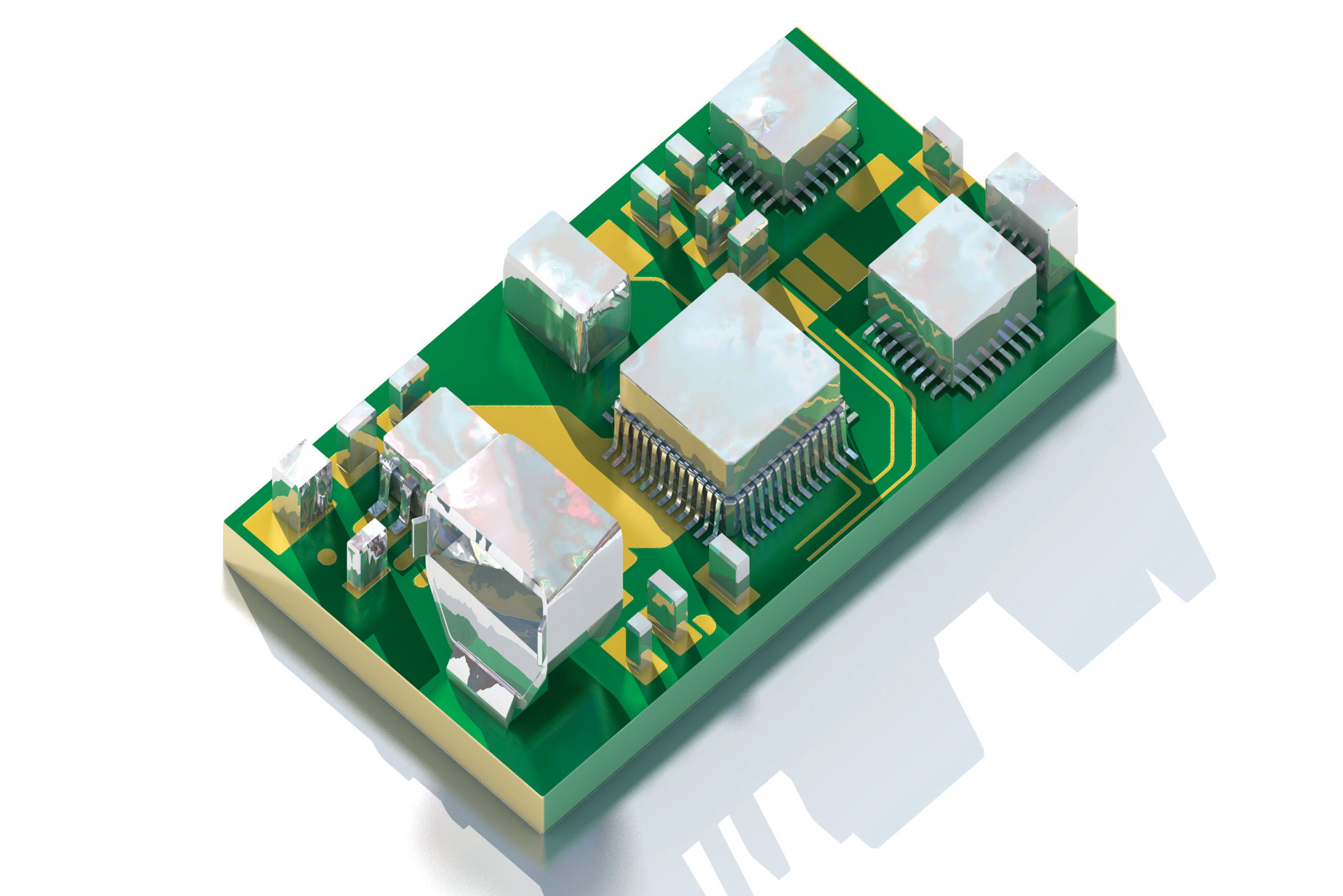
AHRS are solid-state systems providing more accurate and reliable heading and attitude information than traditional mechanical gyros.
They utilize micro-electronic mechanical gyros for motion data, accelerometers for attitude reference and gyro drift compensation, and magnetometers/flux valves for heading information, aggregating this data with complex algorithms.
Technological advancements, driven partly by the automotive industry, have significantly reduced the size, weight, and cost of AHRS units, making them more accessible.
Attitude and heading reference systems (AHRS) have been providing heading and attitude information with greater accuracy and reliability than traditional mechanical gyros for years now. But how do these solid-state systems deliver this information, and how do they do so using increasingly smaller and lighter equipment?
CREATE A FREE ACCOUNT
Sign up to keep reading
Create a free account to continue. Already a member? Sign in below.