











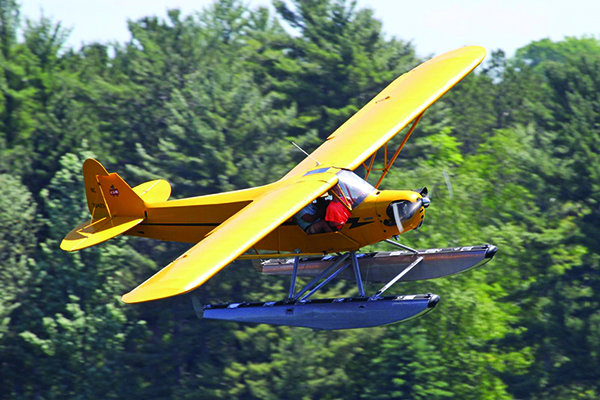


On September 5, 2013, a hunter near Glenallen, Alaska, was killed in a crash while searching for a moose he had earlier shot and field-dressed. According to a friend who was hunting with him, the pilot had failed to mark the area where the carcass could be found before hiking away from the site and subsequently chose to conduct a quick aerial search for it in his Cessna 170B. As the witness later recounted to investigators, the pilot flew by at about “80 to 100 feet above the ground traveling at about 45 mph.” The aircraft then started a left turn, pitched down, began to spin and collided with terrain. The NTSB later determined the accident’s probable cause was the pilot’s “failure to maintain adequate airspeed while maneuvering at low altitude.” In Alaska, this sort of accident is commonly known as a “moose stall.”
While the Glenallen crash involved a private pilot flying under Part 91 during hunting season, many similar accidents in the state have occurred under professional conditions and even with FAR Part 135 pilots. In November 1996, both the charter pilot and State of Alaska wildlife biologist aboard a Cessna 185 were killed when they crashed near the village of Marshall while conducting a moose survey. In December 2002, an Aviat A-1B Husky operated by a National Park Service pilot crashed near the village of King Salmon, killing the pilot and leaving the observer with serious head injuries. The purpose of that flight was to locate a radio-collared moose. In October 2009, conservationist Gordon Haber was killed in Denali National Park and Preserve while using radio telemetry to track the wolf packs he had studied for decades. The pilot in that accident, who was flying a Cessna 185 under FAR Part 91, survived with serious injuries.

