











Insurance companies have pilot checkout provisions for a reason-the first hours in a new aircraft are higher-risk than routine operations. The week I made an offer on my very first airplane, a pilot crashed and died on his way home in his newly purchased Piper Comanche. I obviously wanted a different outcome for my trip to pick up a new plane. The next week, my co-owner Roger and I would be bringing our newly purchased 1960 Cessna 182-N225M-home to Idaho Falls, Idaho. Unfortunately, our new 288
First Flight Home
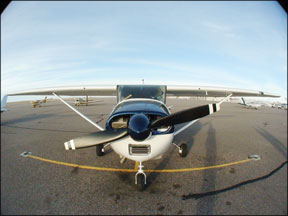
Insurance companies have pilot checkout provisions for a reason-the first hours in a new aircraft are higher-risk than routine operations. The week I made an offer on my very first airplane, a pilot crashed and died on his way home in his newly purchased Piper Comanche. I obviously wanted a different outcome for my trip to pick up a new plane. The next week, my co-owner Roger and I would be bringing our newly purchased 1960 Cessna 182-N225M-home to Idaho Falls, Idaho. Unfortunately, our new plane was located in Glenwood Springs, Colo. Picking it up would require a long VFR cross-country flight across the Continental Divide in the middle of winter. We also wanted to make the trip on a weekend, preferably in a single day at a time of year when the days are notoriously short and the weather consistently bad. Our plan was beginning to sound like the opening narrative of an NTSB accident report. Flying a newly purchased plane on a long cross-country trip is a non-routine, high-risk mission. Why? There are numerous factors that can line up the wrong way to complete the chain of events that lead to an accident.

Key Takeaways:
- Picking up a newly purchased aircraft for a cross-country flight is a high-risk operation due to inherent factors like pilot unfamiliarity, potential issues with recent maintenance, novel flight conditions, and "get-there-itis."
- Key hazards include unfamiliarity with aircraft controls, performance, and specific model variations, as well as the risk of initial failures in newly installed or recently serviced components.
- Mitigating these risks requires thorough preparation, understanding the specific aircraft's systems and emergency procedures, diligent pre-flight checks focusing on recent maintenance, planning for novel elements of the trip, and exercising patience to avoid flying in marginal conditions.
Key takeaways sponsored by Aviator Pro | Start Your Training ->
See a mistake? Contact us.

