











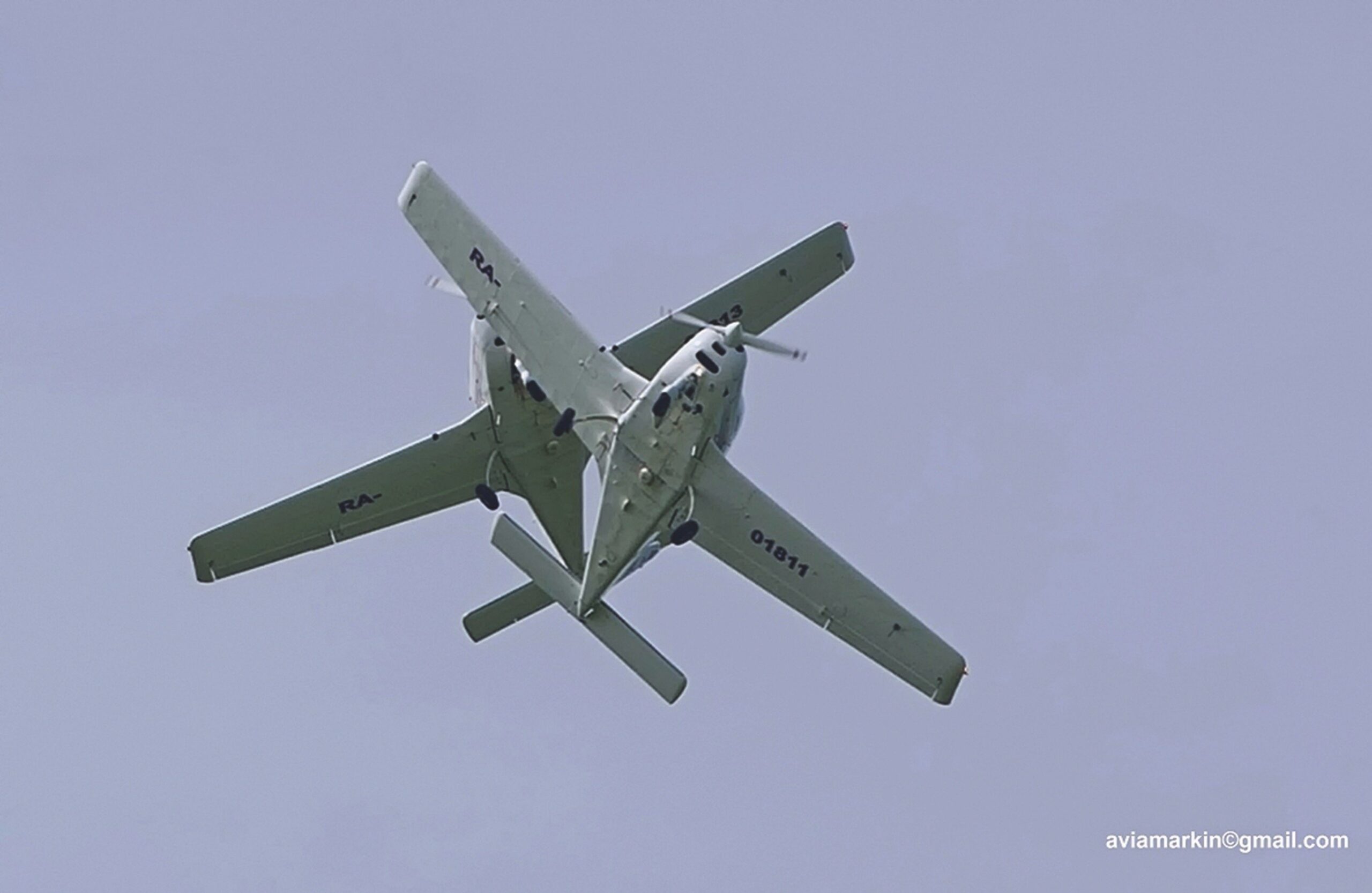


Staying ahead of the airplane is a concept we often hear about from instructors or in hangar-flying sessions. On one level, it’s self-explanatory: Pilots need to understand where the airplane is, where it’s going and when it’s going to get there. The accident record is littered with examples of why this need exists, and evidence that pilots don’t always meet it.
As someone who’s researched my share of aviation accident reports over the years, it’s frustrating to dissect those reports and pick out the various missteps made and the points at which a change in direction, a precautionary landing or other mitigation would have altered the outcome. Loyal readers of this journal understand that aviation accidents aren’t preordained and, instead, often result from a complex series of events occurring over time. It’s often called the accident chain, a term recognizing how these events are linked. Often, individual events occurring in an accident chain, by themselves, would not result in a new accident report. The accident chain concept has great value, but I’ve come to think of it as a trajectory instead of a chain.

