











On December 4, 2010, a Piper Malibu, re-engined with a PT-6 turboprop under a supplemental type certificate, took off from Cozumel, Mexico, heading north. It never made it. Instead, according to press reports, more than two hours after takeoff and while in cruise at FL260, the turbine engine stopped producing power, 288
Overwater Gear
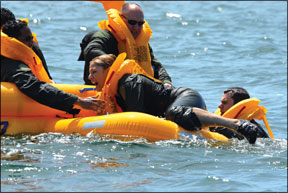
On December 4, 2010, a Piper Malibu, re-engined with a PT-6 turboprop under a supplemental type certificate, took off from Cozumel, Mexico, heading north. It never made it. Instead, according to press reports, more than two hours after takeoff and while in cruise at FL260, the turbine engine stopped producing power, turning the pressurized single into a glider. It took about 25 minutes for the Piper to glide down to the Gulf of Mexico, where it was successfully ditched close to an oil rig. The ditching site was some 170 miles south of New Orleans, the planes destination.

Key Takeaways:
- Overwater flying necessitates carrying specific survival equipment, as highlighted by a successful ditching due to engine failure, emphasizing preparedness for unforeseen events.
- Essential overwater survival gear falls into three categories: flotation (life rafts, inflatable life vests), signaling (personal locator beacons with GPS, tracking devices), and provisions (water, low-bulk, high-energy food).
- When selecting equipment, prioritize a life raft larger than the aircraft's capacity, with a canopy and multiple air chambers, and ensure signaling devices are floatable and GPS-enabled; always wear inflatable life vests when over water.
- Practical considerations include the weight penalty of all gear, strategic storage for immediate access during an emergency, and proper off-aircraft storage to maintain equipment integrity.
Key takeaways sponsored by Aviator Pro | Start Your Training ->
See a mistake? Contact us.

