











Years ago in a sleepy college aircraft economics class, we learned the pecking order of items to consider when acquiring an aircraft. The short list included the usual items of damage history, engine time, avionics, operating costs and a variety of other factors making obvious sense. But one aspect of aircraft acquisition we 288
Is That Too Much Airplane For You?
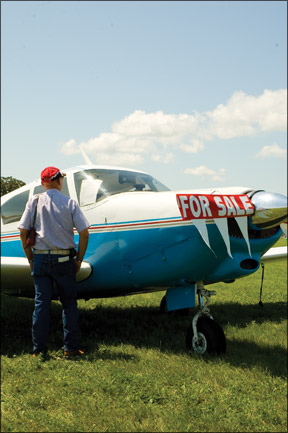
Years ago in a sleepy college aircraft economics class, we learned the pecking order of items to consider when acquiring an aircraft. The short list included the usual items of damage history, engine time, avionics, operating costs and a variety of other factors making obvious sense. But one aspect of aircraft acquisition we werent taught is an issue thats gained prominence in the current sales climate: the consequences of buying too much airplane. With used aircraft pricing at an all-time low, its easy to get sucked into a convincing fantasy that the airplane of your dreams is also one fitting your skills, operating budget and mission.

Key Takeaways:
- Low used aircraft prices tempt buyers to acquire "too much airplane," leading to unexpected challenges and costs beyond the initial purchase price.
- A thorough pre-purchase inspection by a neutral expert, covering both mechanical and avionics systems, is crucial to uncover hidden, costly deficiencies.
- Buyers must align the aircraft choice with their actual mission, piloting skills, and long-term operating budget, rather than just aesthetic appeal or perceived value.
- High-performance aircraft entail significantly higher costs for insurance, mandatory specialized training, and ongoing, often unpredictable, maintenance expenses.
Key takeaways sponsored by Aviator Pro | Start Your Training ->
See a mistake? Contact us.

