













Register

Right Approach Speeds

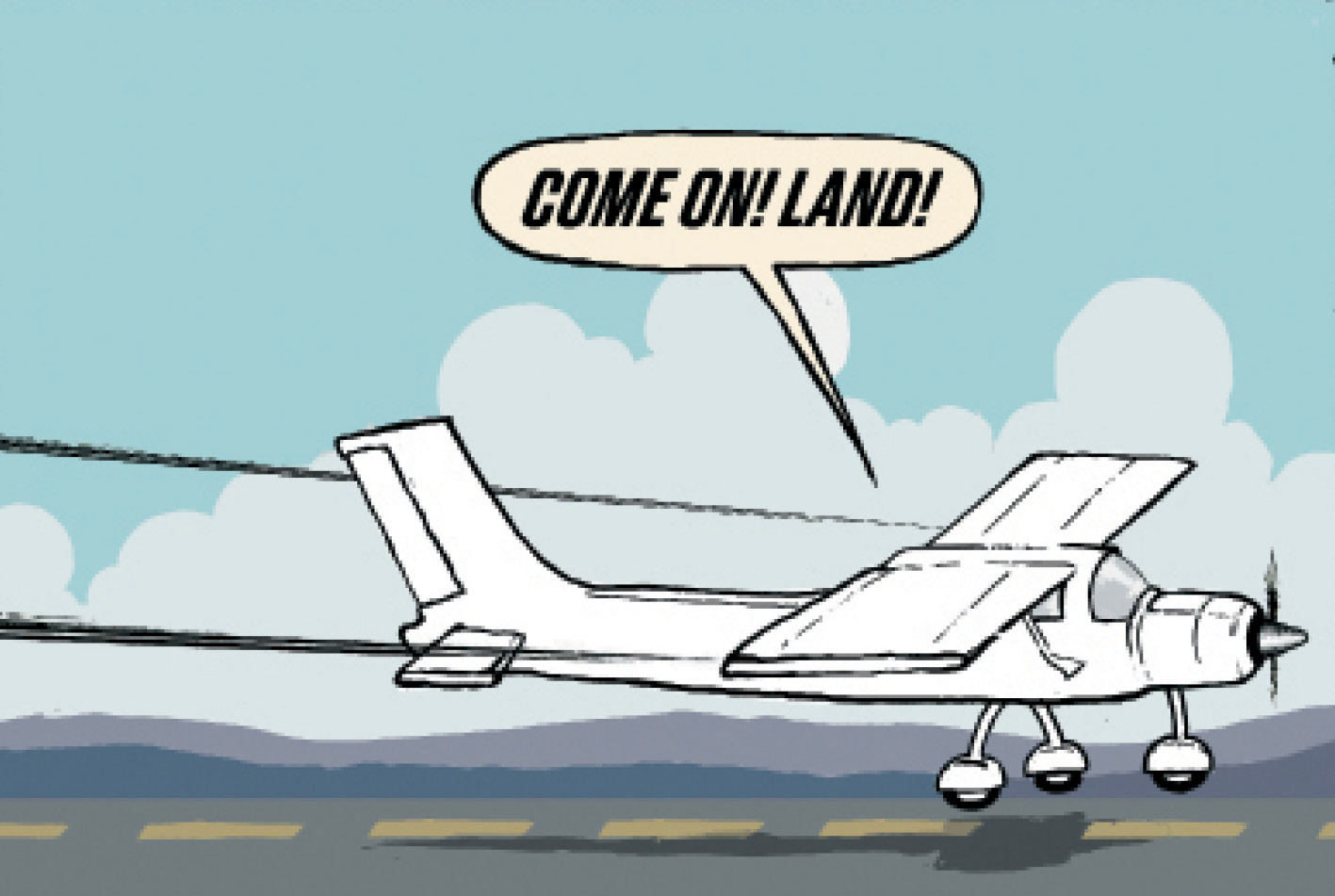
If you come in with too much speed, one of two things is likely. You'll either float a ways down the runway until you bleed off enough speed.
Gemini Sparkle

Key Takeaways:

  • "High-energy" (fast) approaches are a prevalent and dangerous habit among general aviation pilots, significantly increasing the risk of landing accidents (responsible for 38% of GA landing accidents studied), prop strikes, and severe injuries.
  • Pilots often maintain excessive approach speeds due to factors like ATC requests, comfort with greater control authority, fear of stalling, and a failure to adjust VRef for lighter aircraft weights, despite optimal VRef decreasing with less load.
  • For safer landings, pilots should prioritize stabilized approaches at the correct, weight-adjusted VRef, practice slow flight to build comfort with lower airspeeds, and understand the actual stall characteristics of their aircraft.
See a mistake? Contact us.

Our training for the instrument ticket focused on flying by reference to instruments, how to shoot approaches, holds etc. By that point pilots were presumed to have mastered the art of landing, so who needed any more instruction on that? (Or, so the argument goes.) Your approach speed is an essential precursor to a good landing, even—or perhaps especially—for an instrument pilot. More specifically, fast (aka high-energy) approaches, can be requested by ATC and become a trap, and possibly lead to a bent airplane or, worse still, a fatal outcome. Let’s start by looking at that trap.

High-Energy Approach Trap

Ready to Sell Your Aircraft?

List your airplane on AircraftForSale.com and reach qualified buyers.

List Your Aircraft
AircraftForSale Logo | FLYING Logo
Pilot in aircraft
Sign-up for newsletters & special offers!

Get the latest stories & special offers delivered directly to your inbox.

SUBSCRIBE
