













Register

The Severe Storm

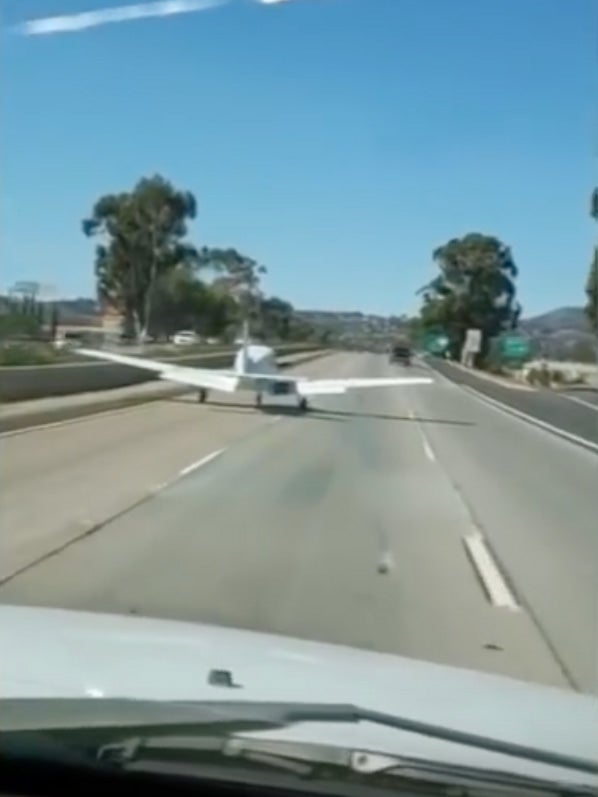
Keri Decker captured the landing on video YouTube screen shot
Gemini Sparkle

Key Takeaways:

  • Thunderstorms are caused by atmospheric instability (quantified by CAPE) and moisture, with the presence of vertical wind shear and helicity leading to more organized and severe storms like supercells and tornadoes.
  • Pilots can assess thunderstorm strength and potential hazards, such as microbursts (correlated with DCAPE), through visual cues like hard cumulonimbus tops, rain-free bases, precipitation core appearance, and specific lightning activity like "anvil crawlers."
  • For enhanced situational awareness, pilots should utilize resources like the Storm Prediction Center (SPC) website for convective outlooks, mesoscale discussions, and CAPE maps, in conjunction with satellite and radar imagery.
See a mistake? Contact us.

Strong thunderstorms are one of the places aviation and fear often intersect. And for good reason: severe storms have led to countless disasters, perhaps the most famous one being the Delta L-1011 crash at DFW Airport in 1985. That tragedy brought far-reaching consequences to flight training programs and ATC equipment, and led to advances in the field of meteorology.

You can read a lot about thunderstorms online and see all sorts of storm video and tornado footage on YouTube, but in this article I’ll draw on my experience as a flight forecaster, my radar and forecast training, and my decade-long foray into storm chasing, which gave me a look at things under the hood. I’ve distilled here some of the most useful fundamentals that are useful to pilots. Hopefully you’ll come away with a more detailed knowledge of what you’re up against when things are looking rough out there.


Ready to Sell Your Aircraft?

List your airplane on AircraftForSale.com and reach qualified buyers.

List Your Aircraft
AircraftForSale Logo | FLYING Logo
Pilot in aircraft
Sign-up for newsletters & special offers!

Get the latest stories & special offers delivered directly to your inbox.

SUBSCRIBE