













Register

Catch GPS Errors Early

Gemini Sparkle

Key Takeaways:

  • Pilots must proactively prevent avionics errors by meticulously cross-checking all flight plan data, including waypoints and distances, against multiple sources to catch discrepancies and prevent "garbage in, garbage out."
  • Advanced cockpit features like moving maps and armed modes should be leveraged to enhance situational awareness and detect errors, but over-reliance should be avoided.
  • It is crucial to maintain traditional navigation skills and spatial reasoning, and to resist the temptation to lower one's risk tolerance due to increased confidence in advanced avionics; instead, use technology to increase safety margins.
See a mistake? Contact us.

In our previous episode, we shared seventeen of the most common pilot avionics errors identified in FAA and NASA studies. If 80 percent of consequences come from 20 percent of the causes, knowing even this little goes a long way.

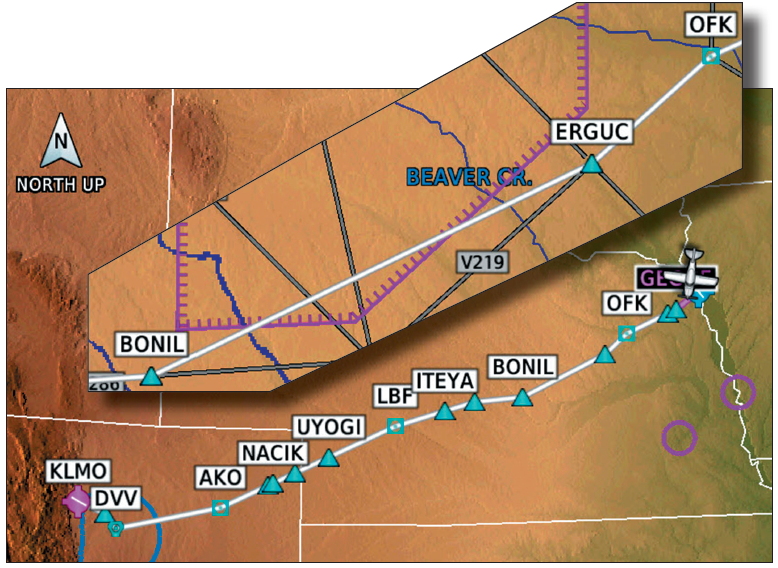
Now, using the classic learn-from-our-mistakes reasoning, the FAA then swaps its perspective from reactive (noticing and fixing errors) to proactive (preventing errors). The advanced cockpit, rich with information resources, enables pilots to catch and correct many mistakes before consequences occur. In the spirit of using all resources at hand, let’s devote our fourth and final article in this series to exploring the opportunities we have to nip these errors in the bud.


Ready to Sell Your Aircraft?

List your airplane on AircraftForSale.com and reach qualified buyers.

List Your Aircraft
AircraftForSale Logo | FLYING Logo
Pilot in aircraft
Sign-up for newsletters & special offers!

Get the latest stories & special offers delivered directly to your inbox.

SUBSCRIBE