













Register

AFCS: Friend or Foe?

Gemini Sparkle

Key Takeaways:

  • Full-regime Automatic Flight Control Systems (AFCS) combine a flight director and autopilot to significantly enhance safety and reduce pilot workload by managing all flight phases and crucial trim adjustments, enabling the pilot to act as a system manager.
  • The AFCS functions by calculating desired aircraft attitudes via the flight director and executing them through the autopilot, relying critically on continuous automatic trim to maintain control across the full operating envelope.
  • Despite their benefits, AFCS can pose significant traps if pilots fail to diligently monitor active modes and automatic trim, potentially leading to dangers like uncommanded airspeed decay in Vertical Speed climbs, unexpected disengagement, or conflicts from manual pilot inputs, thus demanding constant pilot awareness and understanding.
See a mistake? Contact us.

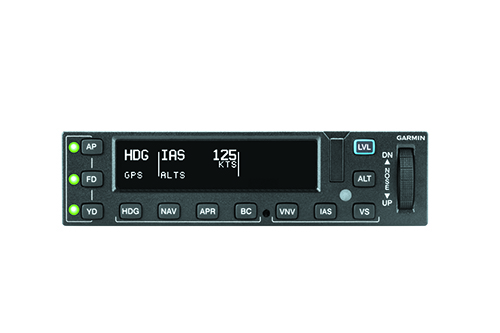
Full-regime automatic flight control systems (AFCS) consist of at least a flight director (FD) and an autopilot (AP). “Full regime” means the AFCS has enough modes to control the aircraft from after takeoff to short final. It also means the AP controls the trim to operate over the full airspeed and centerof- gravity envelope. Selecting different modes and resetting the altitude preselector will be required during the flight, but you can leave the AP engaged throughout the flight.

The FD computes what to do and the AP servos provide some muscle to move the control surfaces. But the real muscle, like with the human pilot, comes from the autopilot using trim to keep control forces from becoming excessive.


Ready to Sell Your Aircraft?

List your airplane on AircraftForSale.com and reach qualified buyers.

List Your Aircraft
AircraftForSale Logo | FLYING Logo
Pilot in aircraft
Sign-up for newsletters & special offers!

Get the latest stories & special offers delivered directly to your inbox.

SUBSCRIBE