
We touched down beneath a dismal overcast at the Detroit Metro Airport, the runway a mixture of compacted snow and patches of bare, black concrete. The irregular pattern of snow removal indicated that the slippery area was mostly at the departure end of the runway, beyond the spot where the main wheels contacted the surface upon our landing.
Jumpseat: A Complicated Simple Request

Key Takeaways:
- Aviation safety protocols for runway conditions have significantly evolved, particularly after the 2005 Southwest Airlines overrun accident at Chicago Midway, which highlighted the inadequacy of previous landing performance calculations.
- The FAA responded by developing advisory landing distance charts and the Runway Condition Assessment Matrix (RCAM) to provide pilots with standardized, detailed data on various contaminated runway conditions.
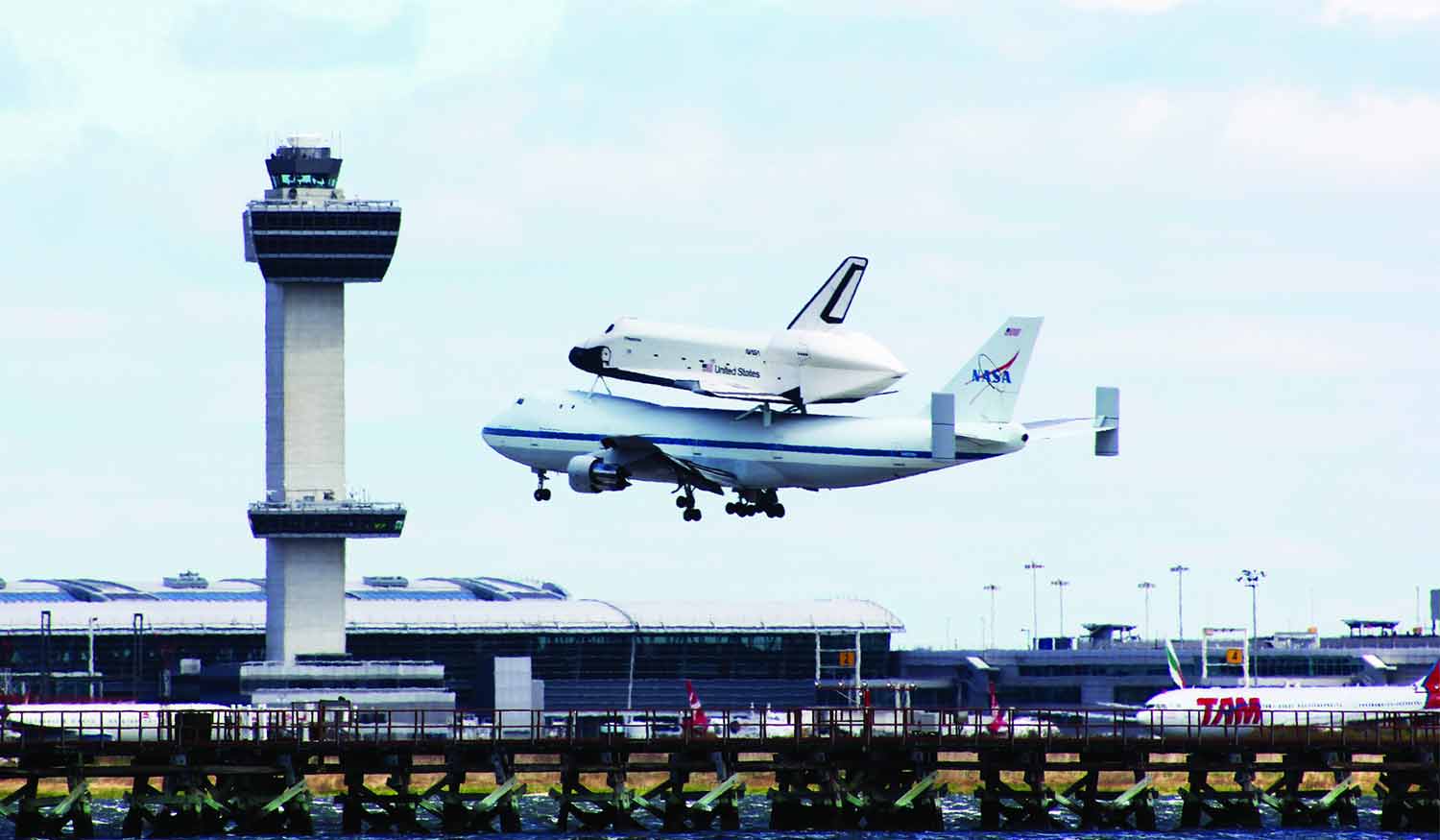
- Despite these advancements, real-world implementation faces challenges, as illustrated by an incident at JFK where an RCAM report indicated poor braking action while the runway was actually dry, causing unnecessary operational concerns and potential diversions.
- The article emphasizes the critical need for airport authorities to provide accurate and timely runway condition assessments to ensure flight safety and prevent operational inefficiencies.
Key takeaways sponsored by Aviator Pro | Start Your Training ->
See a mistake? Contact us.