
Here’s an emerging safety story that hasn’t received much attention: Fatal accidents caused by weather are declining. Nobody should be popping Champagne bottles just yet, but there is enough data to suggest a steady downward trend over the past few years.
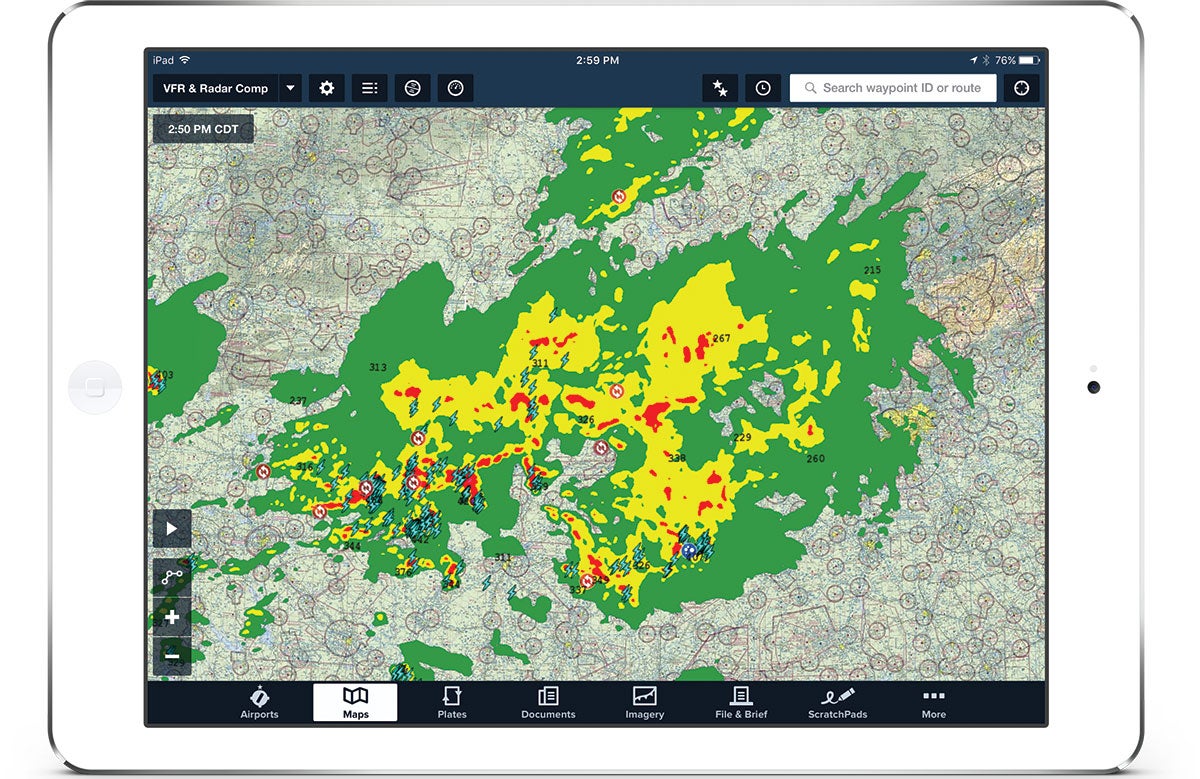
Flying with Datalink Weather

Key Takeaways:
- The increasing use of datalink weather in cockpits (e.g., ADS-B, SiriusXM) is a primary factor behind the recent decline in fatal aviation accidents caused by weather.
- While offering significant safety enhancements, pilots must recognize datalink radar images are delayed and should be used for strategic avoidance rather than tactical penetration into storms.
- Effective and safe use of datalink weather requires pilots to understand the big-picture weather, integrate various data sources without overload, make proactive flight plan deviations, and always prioritize visual observations over screen information.
Key takeaways sponsored by Aviator Pro | Start Your Training ->
See a mistake? Contact us.