














Register

What Is the Difference Between a Thunderstorm Watch, Warning?

Ask the average person to explain the distinction between a watch and a warning, and you’ll find that a majority don’t know how.

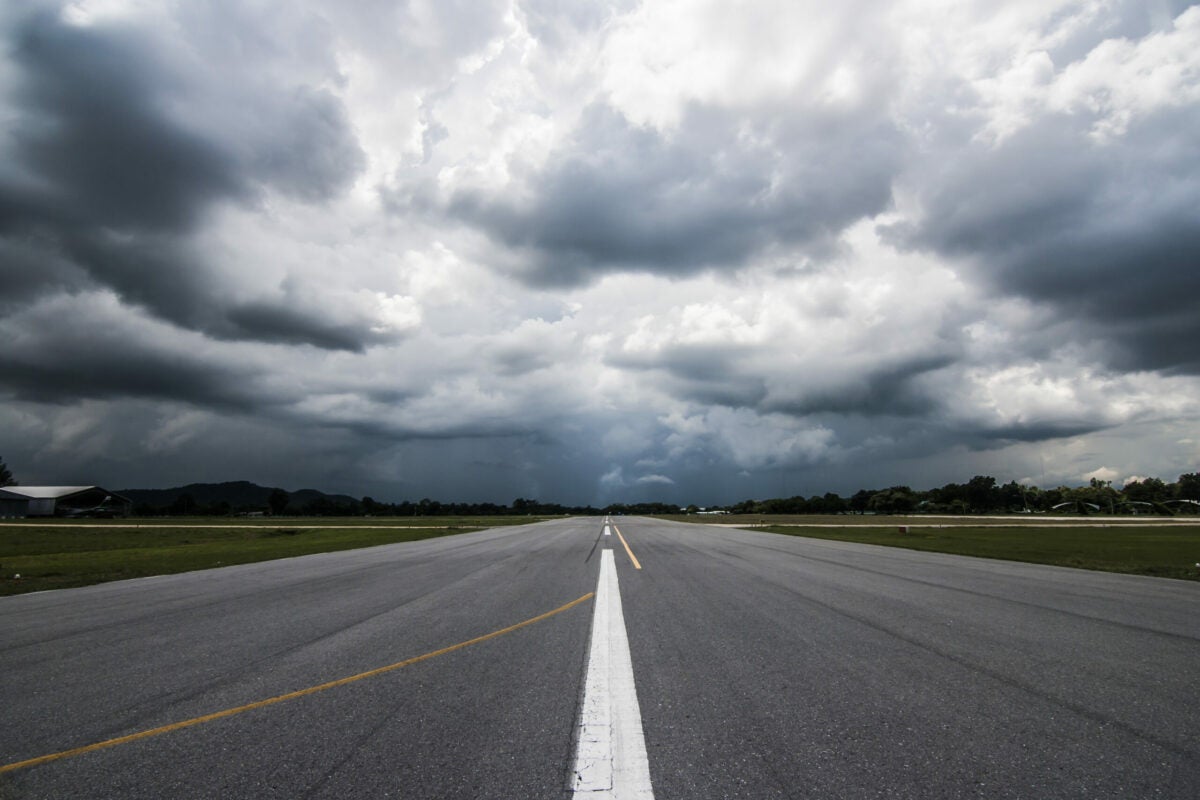
The National Weather Service (NWS) generally uses a three-tiered approach, consisting of outlooks, watches, and warnings. This system is largely based on two variables: time until the event and certainty of the event. [Credit: Shutterstock]
Gemini Sparkle

Key Takeaways:

  • The National Weather Service (NWS) uses a three-tiered system for weather alerts: outlooks (long-term, uncertain), watches (conditions favorable, more certain), and warnings (imminent or reported, certain).
  • A **watch** is issued when conditions are favorable for a particular weather hazard to occur, serving as a recommendation for planning, preparation, and increased awareness over a moderate geographic area.
  • A **warning** signifies that a specific weather hazard is either imminent or has been reported, requiring immediate action to protect life and property within a smaller, localized region.
  • The core distinction is that a watch indicates potential danger in the near future, while a warning signifies immediate and certain danger.
See a mistake? Contact us.

Question: What is the difference between a watch versus a warning for thunderstorms?

Answer: Ask the average person to explain the distinction between a watch and a warning, and you’ll find that a majority don’t know how. The two words are unfortunately not self-explanatory. When something is headed your way, you may hear someone yell, “Watch out!” so you can immediately take action. Or, you may tell your kids, “I’m warning you, don’t do that again,” which implies you are not in immediate danger. From a weather perspective, the implications of these two words are quite a bit different.

The National Weather Service (NWS) generally uses a three-tiered approach, consisting of outlooks, watches, and warnings. This system is largely based on two variables: time until the event and certainty of the event.


Scott Dennstaedt, Ph.D

Scott resides in Charlotte, North Carolina, and flies regularly throughout the Mid-Atlantic and Southeast U.S. He is a CFI and former NWS meteorologist. Scott is the author of "The Skew-T log (p) and Me: A Primer for Pilots" and the founder of EZWxBrief.

Ready to Sell Your Aircraft?

List your airplane on AircraftForSale.com and reach qualified buyers.

List Your Aircraft
AircraftForSale Logo | FLYING Logo
Pilot in aircraft
Sign-up for newsletters & special offers!

Get the latest stories & special offers delivered directly to your inbox.

SUBSCRIBE
