


Question: On some NEXRAD images, I sometimes see a negative value for dBZ (decibel related to Z) for the reflectivity. How can these values be negative?
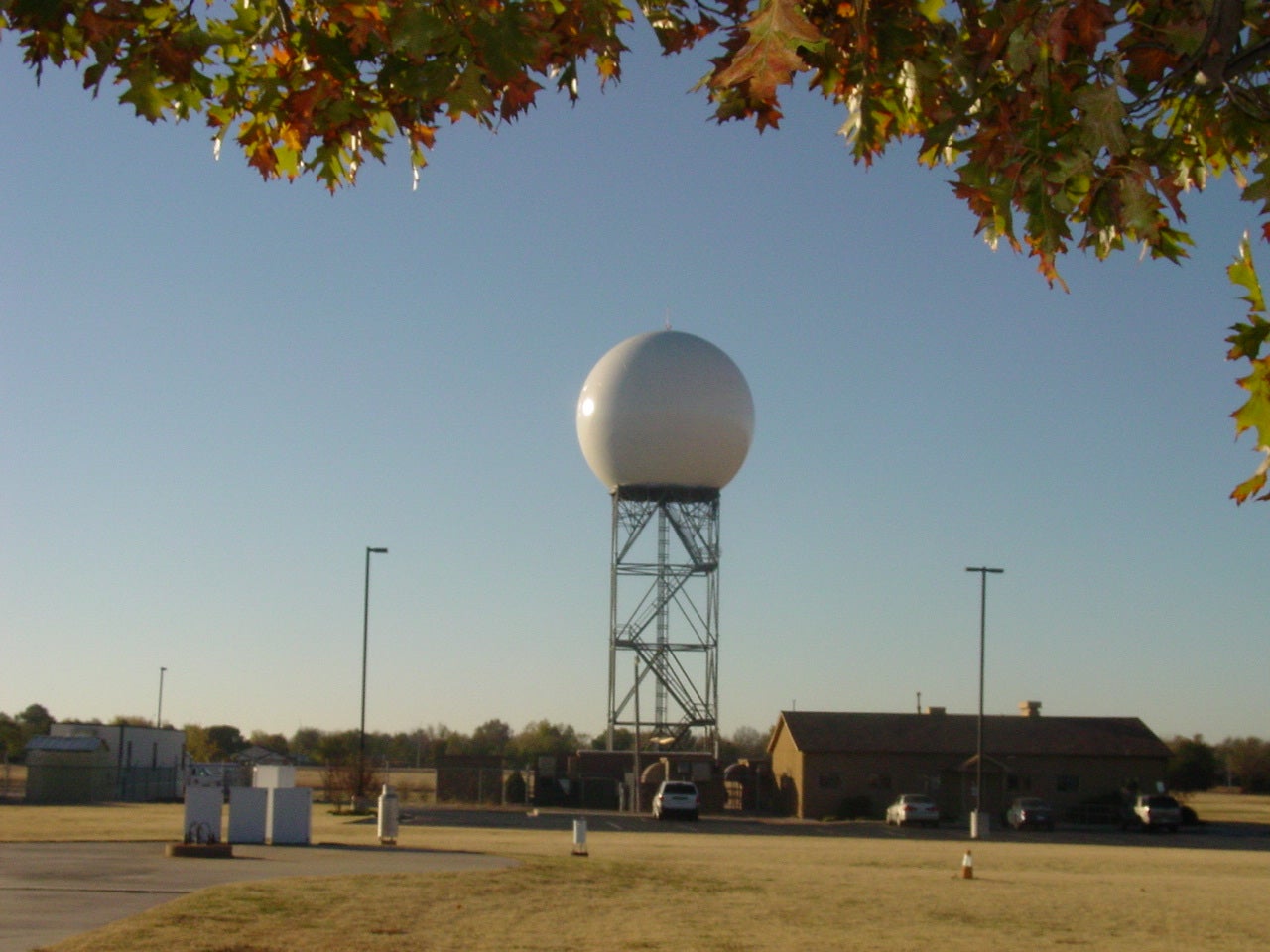
Answer: Of all of the weather guidance available to pilots prior to a flight, the images produced by the NWS WSR-88D NEXRAD Doppler radars are likely the most widely used in the U.S. These images have an extremely high glance value and are packed with important life-saving guidance assuming that a pilot knows how to interpret all the pretty colors.
The colors you see on the Nexrad image displayed by your favorite website or heavyweight electronic flight bag (EFB) app depend on many factors. Unfortunately, accepted standards do not exist in the industry. Any private organization, vendor, or government agency is free to map the data (e.g., reflectivity) to colors of their choosing (although certified displays in the cockpit do have standards). Depending on their operational requirements, they may use three colors representing light, moderate, or heavy precipitation—or they are free to use 30 different colors. So, it is important always to reference the scale that is normally located somewhere on the image or around the image border. For EFBs, that legend may be located on their interactive map, or you may have to look it up in their pilots guide.