











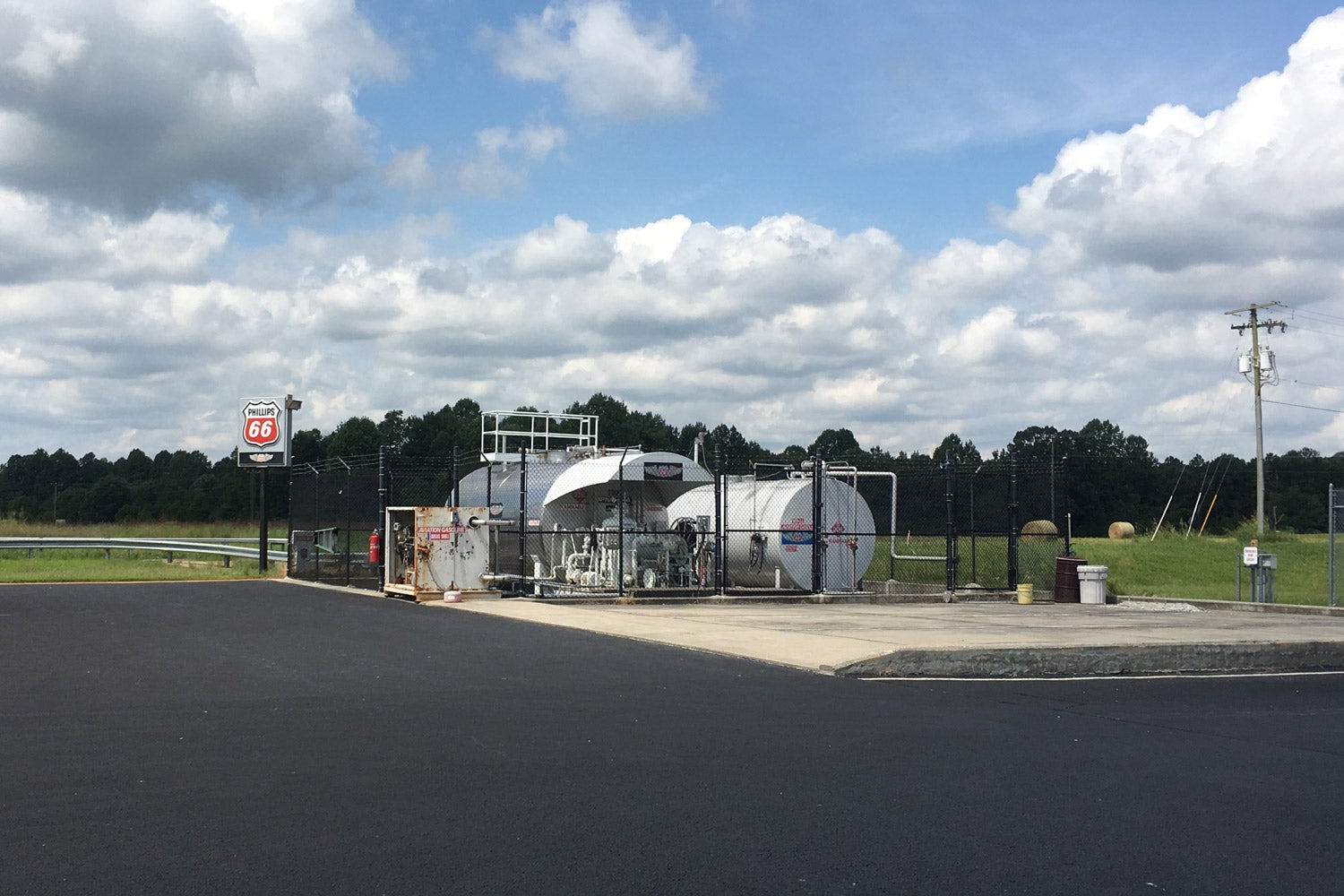
With a growing number of light aircraft taking on jet-A instead of avgas—from a diesel-powered Cessna 172 to the single-engine Cirrus VisionJet—a prudent pilot stays on guard to supervise fueling if at all possible. But anecdotally speaking, many of us have operated under the impression that misfuelling a piston airplane burning 100LL with jet fuel is tough to do, given the difference in filler-neck sizes and pump-nozzle diameters.
Accident Analysis Compels Pilots to Check Fuel

Key Takeaways:
- Misfueling piston aircraft with jet fuel is a critical safety risk, exemplified by a fatal Cessna 421C crash where an FBO's jet fuel truck was equipped with an improperly small nozzle that fit an avgas filler port.
- Despite pilot supervision and clear placards, misfueling can occur, and the resulting mixture of jet-A and 100LL is often difficult to detect visually or by smell in a fuel sample.
- Pilots can employ simple field tests, such as observing residue after evaporation on paper or using a GATS fuel straining jar, to identify the presence of jet fuel in an avgas sample.
Key takeaways sponsored by Aviator Pro | Start Your Training ->
See a mistake? Contact us.

