













Register

Anatomy of a Crosswind Landing

It never fails. You reserve the airplane for an early morning departure on the family vacation. Then the kids and the packing and the delays add up, so you launch hours late, and arrive at beautiful Lake Runamuck as one of the kids becomes spectacularly ill, the other is screaming about the dead batteries in the GameBoy, the turbulence reaches its glorious maximum, the winds are 270 at 15 gusting to 20, and the 75-foot wide runway is oriented north and south. The last two pilots in the pattern were using Runway 18, so you figure youll follow the crowd. You remember the maximum demonstrated crosswind component for this airplane is 17 knots. You know its not a limitation, but you consider it was a professional test pilot who did the demonstration, so, as you havent really done any serious crosswind practice for at least a month-okay, okay! It was six months ago and it wasnt pretty-so, maybe, despite your ingrained determination to complete the mission, you should admit to yourself your ability to control the airplane and make a safe landing under these conditions is not a sure thing. As common sense kicks in, you leave the pattern, add a little power and climb about 500 feet, then pull the power back, lean the mixture and take a minute to decide what to do. You recheck the airport diagram and see there is an east-west grass runway. Its only 2000 feet long. Why didnt you consider it? Well, because no one else is using it, its not paved and the FBO where you rented the airplane says no grass runway operations. It seems to you that right now, in high summer, landing on a grass runway into the teeth of a 15-to-20 knot breeze is a heck of lot smarter than landing at a 90-degree angle to that same wind. So, you announce your intention to land on Runway 27, fly the pattern and make a normal landing. Your spouse comments on how nice it is to land on the grass. You taxi in, holding the ailerons carefully for the wind and tie down the airplane. As you are picking up the bags to walk into the FBO you hear a horrible squealing noise as one of those airplanes in the pattern for Runway 18 loses control on the rollout, scrapes a wingtip and describes a graceful curling path right into the airport fence. You run to the site and help the stunned pilot and passengers out of the airplane.

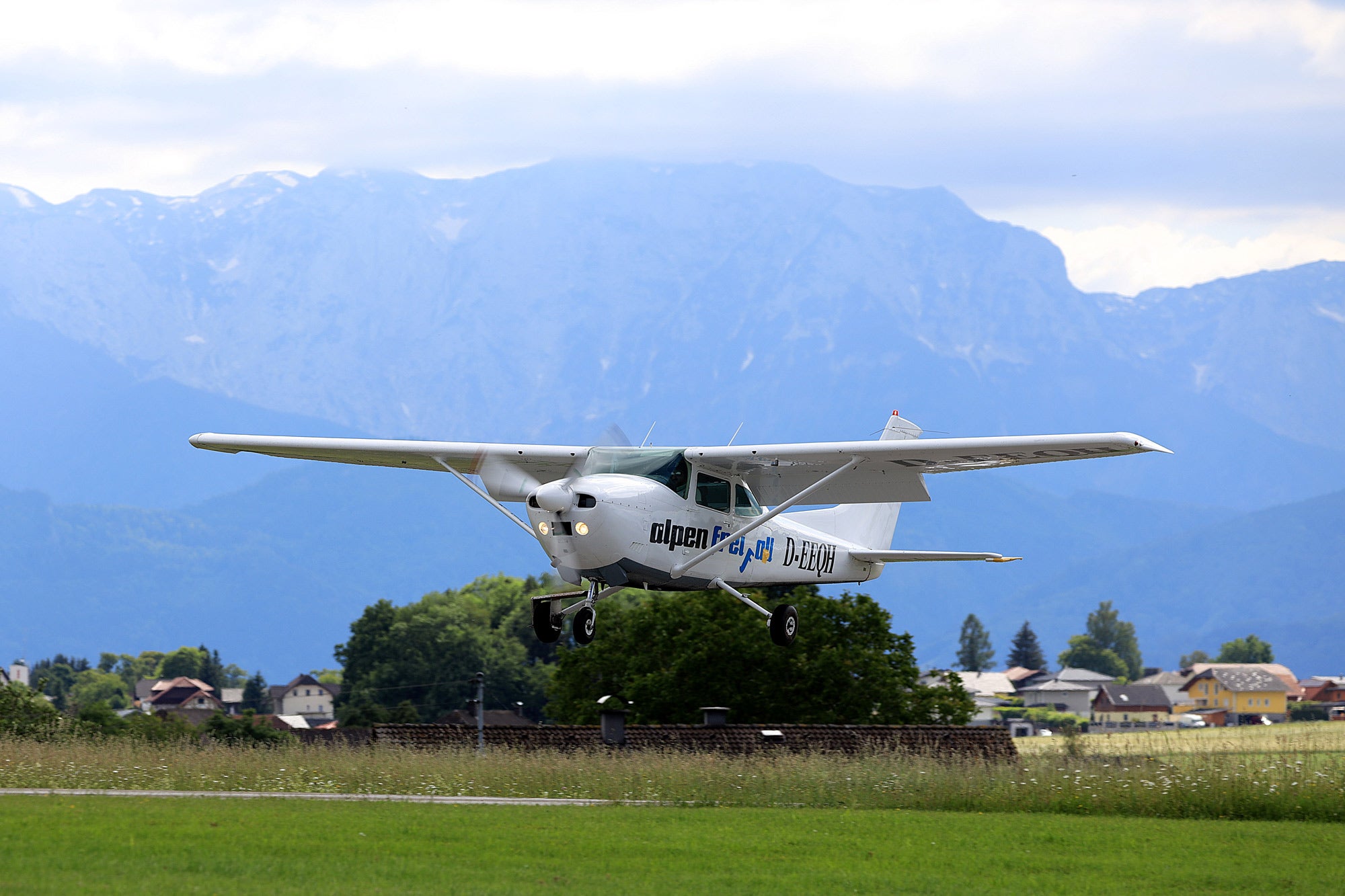
The FAA says improperly removing an unused control wheel in skydiving operations could pose a safety hazard to jumpers. Pixabay
Gemini Sparkle

Key Takeaways:

  • Pilots should prioritize safety in crosswind conditions by thinking "outside the box," such as utilizing alternative runways (even grass ones) that offer better wind alignment, rather than blindly following others to a potentially unsafe runway.
  • Effective crosswind landing technique emphasizes precise approach speed (1.3 VSO plus half the gust factor, avoiding excess speed to prevent floating) and continuous active control throughout the rollout by maintaining full aileron into the wind and using full flaps for drag.
  • If a safe crosswind landing cannot be assured, a go-around is imperative, followed by a re-evaluation of options such as finding another runway, a different airport, or exploring methods to reduce the crosswind component.
See a mistake? Contact us.

It never fails. You reserve the airplane for an early morning departure on the family vacation. Then the kids and the packing and the delays add up, so you launch hours late, and arrive at beautiful Lake Runamuck as one of the kids becomes spectacularly ill, the other is screaming about the dead batteries in the GameBoy, the turbulence reaches its glorious maximum, the winds are 270 at 15 gusting to 20, and the 75-foot wide runway is oriented north and south.

The last two pilots in the pattern were using Runway 18, so you figure youll follow

288

Ready to Sell Your Aircraft?

List your airplane on AircraftForSale.com and reach qualified buyers.

List Your Aircraft
AircraftForSale Logo | FLYING Logo
Pilot in aircraft
Sign-up for newsletters & special offers!

Get the latest stories & special offers delivered directly to your inbox.

SUBSCRIBE
