













Register

Departing Non-Towered Airports

When departing IFR from a tower-controlled airport, planning your initial route is easy. You may have a challenging departure procedure, but you depart as cleared or as directed, immediately under positive control. It sounds complicated, but its actually easier than the alternative. The alternative, since you asked, is an IFR departure from a non-towered airport. In this case, youre entirely responsible for terrain clearance until you make it into controlled airspace and you must plan an obstacle clearance departure route on your own. Your options (and responsibilities) are different depending on whether its VMC, marginal VFR or IMC. What do you need to consider? How do you choose? If you want to know what youre expected to do under a given set of circumstances, the first place to look is the regs. FAR 91.175 specifies what pilots are required to do for takeoff and landing under IFR. Although 91.175 gives us a lot of good information about landing minima and decision heights, and what needs to be visible to proceed from the missed approach point to landing, it is basically mute on the subject of instrument departures.

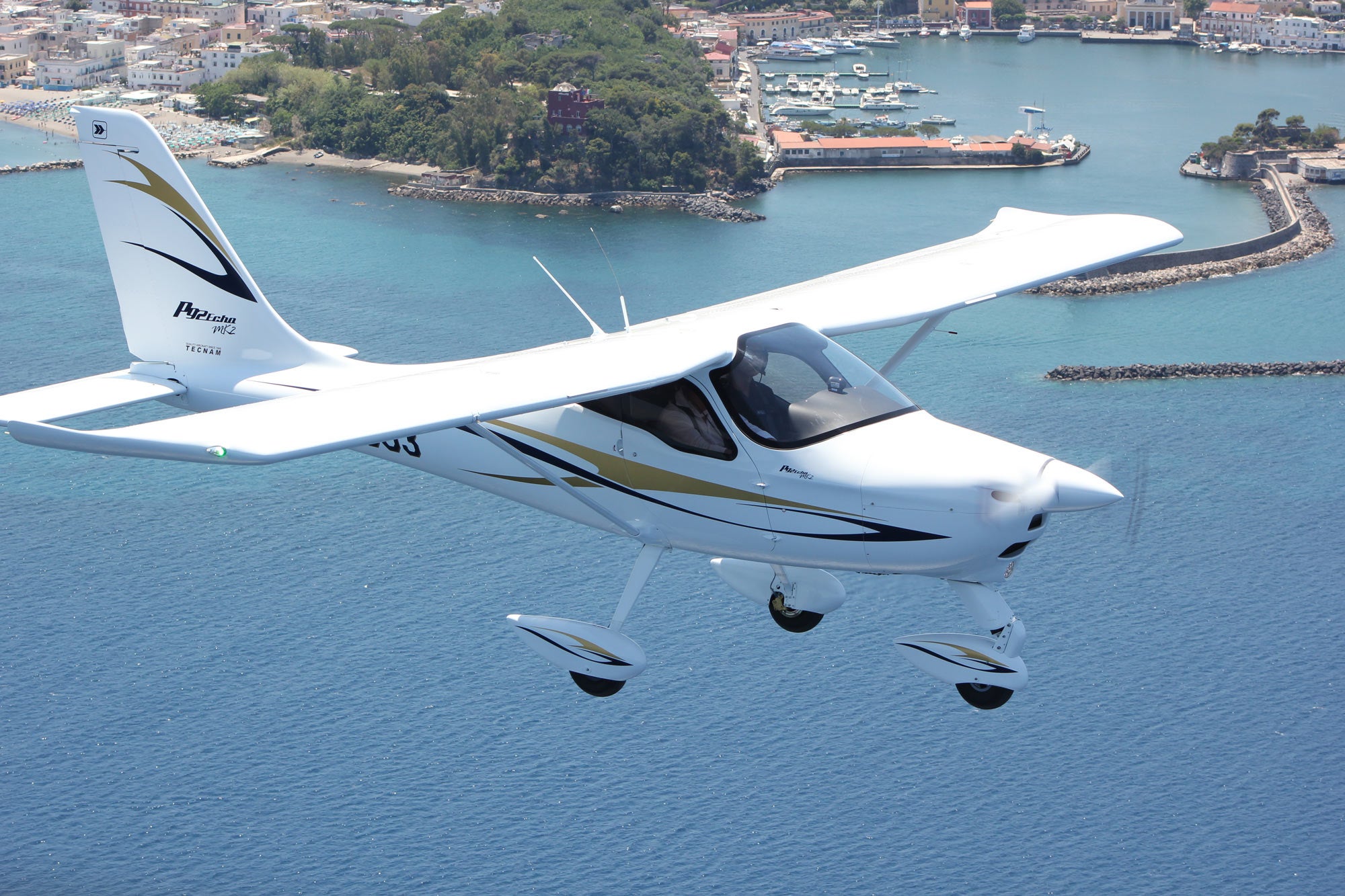
The sporty P92 Echo handles in a familiar fashion for Cessna 150 pilots. Tecnam/Monica Castellani VFR Aviation
Gemini Sparkle

Key Takeaways:

  • IFR departures from non-towered airports place the sole responsibility for obstacle clearance on the Part 91 pilot until reaching controlled airspace and altitude, as specific FAA guidance for these situations is lacking.
  • Pilots must proactively plan their departure route using resources such as VFR charts (sectionals, A/FD), instrument approach procedure (IAP) charts for obstacle departure procedures (ODPs), non-standard takeoff minimums, minimum safe altitudes (MSAs), and even charted missed approach procedures.
  • Additional planning strategies include seeking local pilot or CFI advice, reviewing accident reports for obstacle clues, or scouting the area in visual meteorological conditions (VMC) upon arrival.
  • Weather conditions significantly influence departure planning: IMC necessitates a meticulously pre-planned, written route, VMC allows for visual obstacle avoidance, but marginal VFR presents the highest risk due to potential entrapment between clouds and obstacles.
See a mistake? Contact us.

When departing IFR from a tower-controlled airport, planning your initial route is easy. You may have a challenging departure procedure, but you depart as cleared or as directed, immediately under positive control. It sounds complicated, but its actually easier than the alternative.

The alternative, since you asked, is an IFR departure from a non-towered airport. In this case, youre entirely responsible for terrain clearance until you make it into controlled airspace and you must plan an obstacle clearance departure route on your own. Your options (and responsibilities) are different depending on whether its

Departing Non-Towered Airports

288

Ready to Sell Your Aircraft?

List your airplane on AircraftForSale.com and reach qualified buyers.

List Your Aircraft
AircraftForSale Logo | FLYING Logo
Pilot in aircraft
Sign-up for newsletters & special offers!

Get the latest stories & special offers delivered directly to your inbox.

SUBSCRIBE

