











This time of year in the Northern Hemisphere, airframe icing takes on much greater importance for most of us flying personal airplanes than it does at other times. There are good reasons for that, and anyone trying to conduct regular winter operations should closely monitor weather trends and plan accordingly. But the 288
Unknown Icing
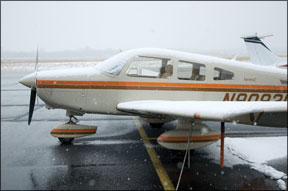
This time of year in the Northern Hemisphere, airframe icing takes on much greater importance for most of us flying personal airplanes than it does at other times. There are good reasons for that, and anyone trying to conduct regular winter operations should closely monitor weather trends and plan accordingly. But the seasons wet and cold can create an icing-accident situation even on a severe-clear day with dry air. All it takes is some water and cold temperatures. The fact is, you need not encounter textbook icing conditions for the slick stuff to pose a threat when the ice hides inside the airframe, out of sight, probably out of mind but most definitively not out of the picture.

Key Takeaways:
- Aircraft can experience dangerous internal icing from accumulated water (e.g., rainwater) freezing within control systems, fuel lines, and structural components, leading to jammed controls, engine issues, and structural damage, even on clear, dry days.
- Prevention is crucial, primarily by hangaring aircraft to protect them from rain before cold temperatures set in, or by using covers and sealing potential water entry points.
- If internal ice is suspected in-flight, pilots should perform a controllability check, gently attempt to free controls, and immediately seek warmer air by descending or diverting to a suitable airport, declaring an emergency if the situation is severe.
Key takeaways sponsored by Aviator Pro | Start Your Training ->
See a mistake? Contact us.

