











Theres little else quite as ingrained in the minds of pilots, or emblematic of flight itself, as the stick and rudder. It seems axiomatic that losing the ability to control an airplanes roll, pitch or yaw would set you up for a quick toboggan ride downhill, followed by a very loud noise. Does the thought of helplessly watching your airplane wrenching itself into an unusual attitude and then plunging into a schoolyard turn up those horror movie violins? Well, even your best preflight might not immunize you from having a control surface failure, but knowing what to do and taking prompt action could prevent one from ruining your day. 288
Control Freak
Theres little else quite as ingrained in the minds of pilots, or emblematic of flight itself, as the stick and rudder. It seems axiomatic that losing the ability to control an airplanes roll, pitch or yaw would set you up for a quick toboggan ride downhill, followed by a very loud noise.
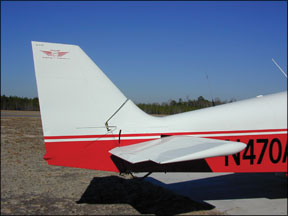

Key Takeaways:
- Control surface failures, particularly those involving the elevator, are critical in-flight emergencies requiring immediate pilot action and specific procedures.
- Pilots should prioritize gently flying the aircraft using available controls (especially trim), heading towards the longest possible runway, and declaring an emergency.
- Specific handling for elevator failures involves using trim for pitch control (reversing for jammed systems) and notably, avoiding flaps during landing.
- Preparedness is paramount, encompassing a thorough understanding of the aircraft's control systems, diligent preflight inspections, and studying emergency procedures from the AFM/POH.
Key takeaways sponsored by Aviator Pro | Start Your Training ->
See a mistake? Contact us.

