











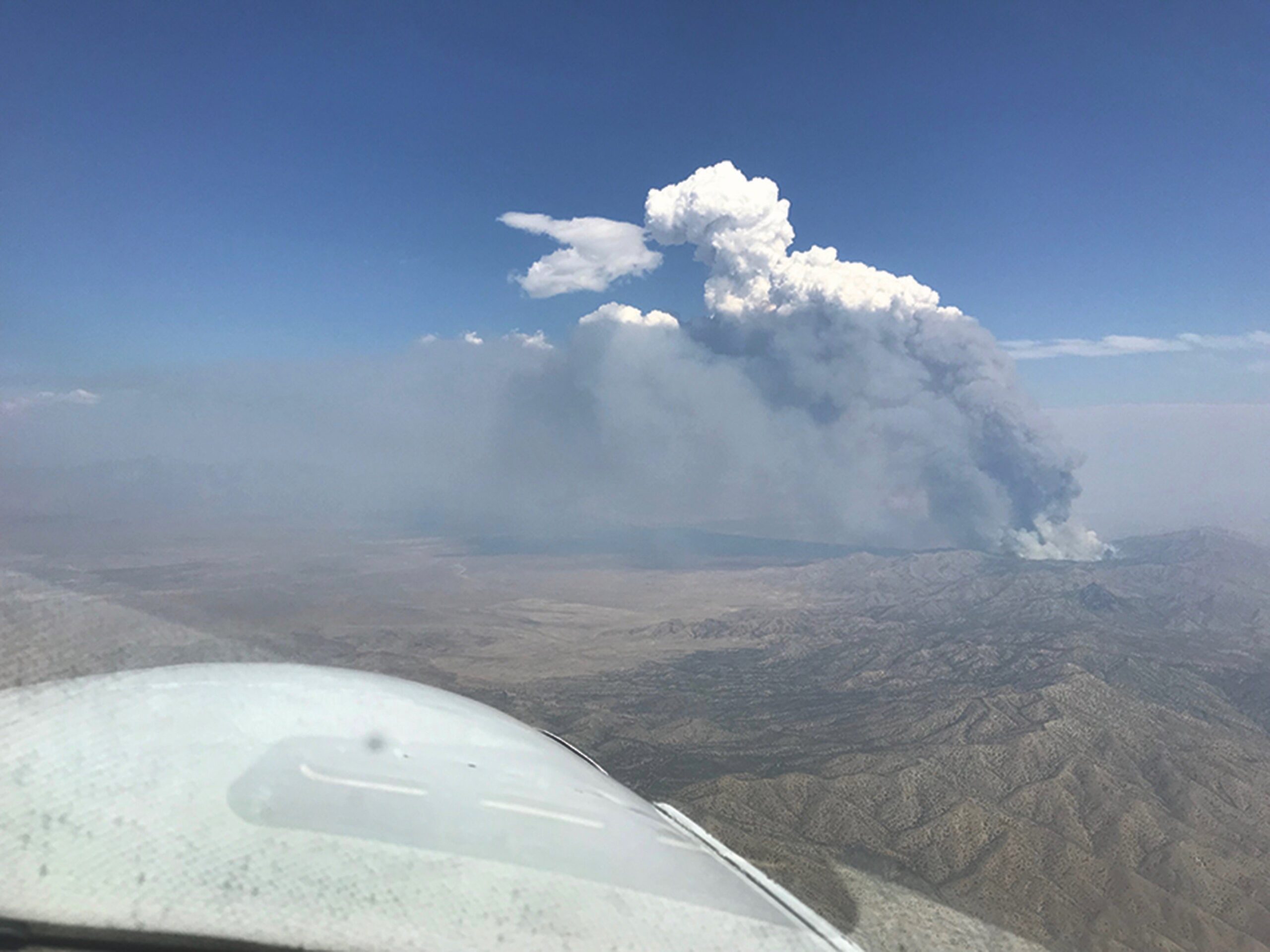


If you flew much before September 2001, you may never have heard of a temporary flight restriction, or TFR. If you had, it’s likely you became familiar with them as they were created to provide a safer environment for firefighting aircraft operations. Since 2001, they’ve been known to pop up every time a sitting president left the White House for a fresh Danish, or went campaigning or golfing.
While wildfire TFRs don’t usually come with the threat of a pair of F-16s, the red circles depicting wildfire TFRs pop up every summer on aviation charts like weeds. While they can and are created any time special flight operations need to be protected from typical civilian traffic, they’re especially pernicious in the western U.S. Staying safe should be simple, right? Just load the TFRs onto your moving map and skirt their boundaries, right? It isn’t that simple: Skirting the boundary is perfectly legal but it may not provide much of a safety margin. In fact, skirting them actually could increase your risk. To truly reduce the flight safety risks related to wildfire TFRs, we need to understand their implications.

