











Before we can get to the runway-or the FBO-we have to taxi. Its easy to conceive of the taxi portion of our flight operations to be akin to driving a car, but the only things they have in common is their two-dimensional nature. Instead, taxiing is an operation requiring a skill and experience level similar to 288
Follow The Yellow-Brick Road
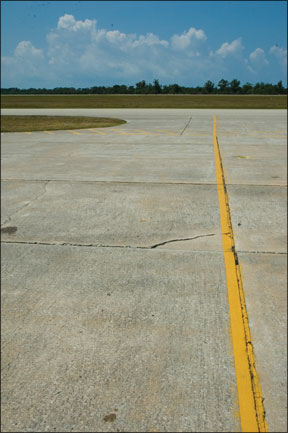
Before we can get to the runway-or the FBO-we have to taxi. Its easy to conceive of the taxi portion of our flight operations to be akin to driving a car, but the only things they have in common is their two-dimensional nature. Instead, taxiing is an operation requiring a skill and experience level similar to landings. Especially since were often closer to other objects than at any other time. How to taxi depends on several variables, including time of day, visibility, aircraft type, the pavement (or lack of it) and its condition, plus surface traffic, among others. But if we focus on a few elements of the taxi operation and pay attention, we should be fine.

Key Takeaways:
- Taxiing is a critical phase of flight operations, requiring skill and attention comparable to landings, rather than simply driving a car.
- Effective taxiing demands thorough pre-planning of the route, constant awareness of surroundings (obstacles, other traffic, prop blast), and utilization of taxi diagrams, especially at unfamiliar or towered airports.
- Pilots must manage power and speed judiciously, using only the minimum necessary to roll and keeping speeds slow (e.g., 10-15 knots), while also being mindful of surface conditions which may require even slower speeds and different control inputs.
- Always maintain situational awareness, anticipate movements of other aircraft and ground vehicles, and prioritize safety by staying on designated centerlines and paths.
Key takeaways sponsored by Aviator Pro | Start Your Training ->
See a mistake? Contact us.

