













Register

Six Single-Pilot IFR Tips

There was a time not so long ago that a single pilot flying hard IFR was considered an accident waiting to happen. There was simply too much going on, conventional wisdom held, for one pilot to handle all alone. Instrument pilots contemplating a flight in actual weather actively sought out others-perhaps an instructor-who could help with the cockpit chores and make sure the dirty side stayed down. Except for the freshest instrument pilots, thats all changed. And good riddance. Ive long been convinced the second most dangerous thing in aviation is two pilots trying to fly the same airplane at the same time (the first is a private pilot with a #2 Phillips screwdriver, but thats a different article). But the idea of single-pilot IFR, or SPIFR, being something to avoid seems to have hung on in some quarters. Sure; theres a time and a place to take along some backup, depending on how comfortable a pilot is with the weather, the airplane and the airspace. But Id argue against making the flight in the first place if the only way youd consider it is with another pilot. Be that as it may, advances in automating the cockpit have paved the way for much more SPIFR than only a decade ago. Thats a good thing, in my opinion, but also means our lone pilot needs to prepare for the flight a bit more than might otherwise be the case.

Gemini Sparkle

Key Takeaways:

  • Single-pilot IFR (SPIFR) is increasingly viable due to cockpit automation but demands rigorous pre-flight preparation and organization.
  • Thorough planning includes understanding weather, routes, alternates, and having all essential charts and gear (like writing tools, backups, and instrument covers) easily accessible within the cockpit.
  • During flight, maintaining high situational awareness through active ATC listening, continuous weather monitoring, and strong pilot proficiency is essential for safe SPIFR operations.
See a mistake? Contact us.

There was a time not so long ago that a single pilot flying hard IFR was considered an accident waiting to happen. There was simply too much going on, conventional wisdom held, for one pilot to handle all alone. Instrument pilots contemplating a flight in actual weather actively sought out others-perhaps an instructor-who could help with the cockpit chores and make sure the dirty side stayed down.

288


Ready to Sell Your Aircraft?

List your airplane on AircraftForSale.com and reach qualified buyers.

List Your Aircraft
AircraftForSale Logo | FLYING Logo
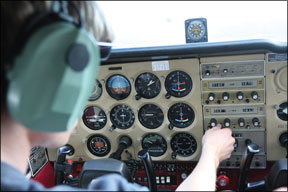
Pilot in aircraft
Sign-up for newsletters & special offers!

Get the latest stories & special offers delivered directly to your inbox.

SUBSCRIBE