











If you fly a turbocharged airplane, you know a different reality than the poor slugs who have to muddle along in the weather gasping for manifold pressure above 12,000 feet. Pilots with boost climb faster, fly higher and have more options in 288
Busted Boost
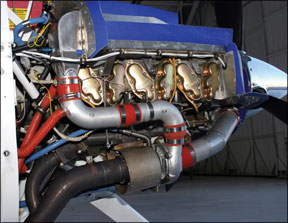
If you fly a turbocharged airplane, you know a different reality than the poor slugs who have to muddle along in the weather gasping for manifold pressure above 12,000 feet. Pilots with boost climb faster, fly higher and have more options in making altitude-related weather decisions. Nothing is for free, however, especially if you own an airplane with one or a pair of turbochargers. Youll pay more for overhauls and routine maintenance, and you may burn bit more fuel. You also know-or should know-a different reality with regard to potential system failures. Although theyre as simple as a bag of rocks, turbochargers are like any other mechanical device, so they occasionally fail, presenting sometimes perplexing symptoms you wont see from a normally aspirated engine. Lets consider some possibilities.

Key Takeaways:
- Turbocharger failures present distinct risks compared to normally aspirated engines, ranging from immediate, high-risk emergencies (e.g., turbine wheel disintegration, severe exhaust breaches, or massive oil leaks) to less critical operational issues.
- Critical failures often manifest with sudden power loss, smoke, and a significant fire hazard, necessitating an immediate emergency landing, sometimes off-airport.
- Less severe failures, such as induction leaks or wastegate malfunctions, typically result in reduced boost or unstable manifold pressure, allowing for a controlled descent and prompt, non-emergency landing while still requiring serious attention.
Key takeaways sponsored by Aviator Pro | Start Your Training ->
See a mistake? Contact us.

