











Weve been doing this long enough to remember when the extent of new avionics upgrades included a couple of flip-flop nav/coms and an audio panel. Even back then, some owners stumbled with otherwise simple switchology. Worse case was missing a radio call. Things have changed. Todays avionics upgrades, however, usually involve tightly integrated glass and advanced automation. Just learning how to power up all those 288
Learning Your Retrofit Panel
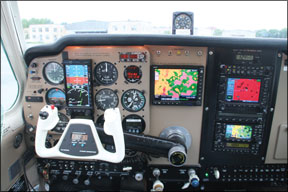
Weve been doing this long enough to remember when the extent of new avionics upgrades included a couple of flip-flop nav/coms and an audio panel. Even back then, some owners stumbled with otherwise simple switchology. Worse case was missing a radio call. Things have changed. Todays avionics upgrades, however, usually involve tightly integrated glass and advanced automation. Just learning how to power up all those neat toys usually requires more thought and planning than the nav/coms of 20 years ago. The safety implications are obvious; the operational ones perhaps somewhat less.

Key Takeaways:
- Modern avionics upgrades introduce significant operational complexity and increased pilot workload, necessitating a structured approach to transition training and cautious initial operations.
- A logically designed instrument panel layout, featuring easily accessible backup systems and clear switchology, is crucial for safety; pilots should actively collaborate with avionics shops during the design phase.
- Pilots must commit to extensive flight time (e.g., 20 hours), primarily in VFR conditions, to master new avionics systems, treating the upgraded aircraft as unfamiliar and avoiding high-workload missions initially.
- While avionics shops should provide orientation and study materials, pilots are ultimately responsible for securing comprehensive training and achieving proficiency with their new integrated systems.
Key takeaways sponsored by Aviator Pro | Start Your Training ->
See a mistake? Contact us.

