














ZeroAvia’s Electric Aircraft Engine Advances Toward FAA Certification

Engine system is part of the hydrogen-electric powertrain the company is selling to airlines and manufacturers.

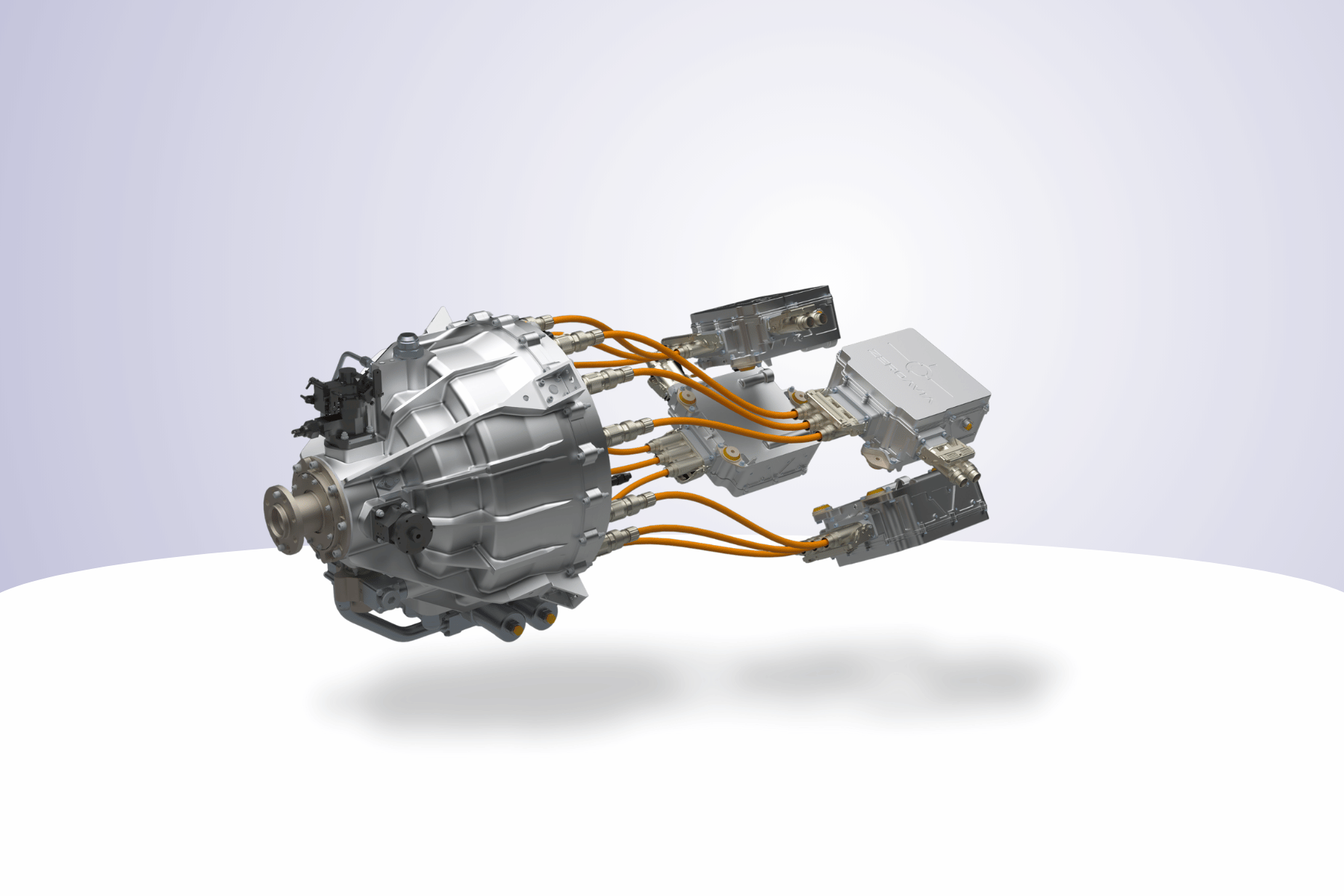
ZeroAvia 600-kilowatt electric aircraft engine
The FAA issued special conditions for ZeroAvia’s 600-kilowatt electric engine system, a core piece of its planned hydrogen-electric powertrain for 10-20 seat aircraft. [Credit: ZeroAvia]
Gemini Sparkle

Key Takeaways:

  • ZeroAvia reached a significant milestone with the FAA publishing special conditions for its 600-kilowatt electric engine, clarifying the path to certification by late 2026 for its hydrogen-electric aircraft powertrains.
  • The company's hydrogen-electric propulsion systems aim to reduce aircraft emissions by 90% and operating costs by 40%, offering a more sustainable solution for aviation.
  • ZeroAvia plans to offer its technology for retrofitting existing aircraft (with airline partners like United and American) and for new designs, with applications ranging from 10-20 seat regional planes to larger aircraft and standalone sales for drones and eVTOLs.
See a mistake? Contact us.

ZeroAvia, the developer of hydrogen-electric aircraft powertrains with operations in the U.S. and U.K., sees a clearer path to certification after hitting a key milestone with the FAA.

The regulator on Thursday published special conditions for the company’s 600-kilowatt electric engine, half of its planned propulsion system that also includes its ZA600 hydrogen-electric powertrain. It seeks to certify the system—designed to reduce emissions by 90 percent and operating costs by about 40 percent—by the end of 2026.


The special conditions describe extra safety standards that ZeroAvia’s system will need to meet. Due to the novelty of electric propulsion, the FAA levied the additional requirements to achieve what it considers a level of safety equivalent to existing airworthiness standards. The two sides came to a consensus on proposed special conditions in August.

“Having special conditions for our electric propulsion system published by the FAA is an enormous achievement that underscores the aerospace maturity of our organization and illuminates our path forwards towards type certification,” Val Miftakhov, founder and CEO of ZeroAvia, said in a statement.

Though the 600-kilowatt engine system will be installed in the company’s ZA600 powertrain, ZeroAvia also plans to sell it as a standalone product for uncrewed drones, electric vertical takeoff and landing (eVTOL) air taxis, and general aviation platforms.

In addition to special conditions, ZeroAvia in 2025 received an FAA G-1 issue paper laying out applicable airworthiness regulations for the electric engine system, which helped it finalize the design.

The U.K.’s Civil Aviation Authority (CAA) in October awarded the manufacturer design organization approval (DOA), certifying that it is qualified to design and hold a type certificate for propulsion systems developed under U.K. commercial aviation regulations.

Any Aircraft Can Be an Electric Aircraft

ZeroAvia will offer retrofits of existing aircraft, turning them into sustainable, hydrogen-electric models. Airline customers include United Airlines, American Airlines, Alaska Airlines, and Scotland’s LoganAir.

It is also working with airframe OEMs such as Textron and de Havilland Canada, both for engine line-fits and the development of future, clean-sheet designs. The company is further developing in-house solutions for hydrogen production, mobile storage, and dispensing, working with airports to prepare them for novel propulsion.

ZeroAvia’s electric propulsion system (EPS)—one half of its powertrain solution—uses the 600-kilowatt engine and a proprietary inverter to power a direct drive motor. It is intended for 10-20 seat, fixed-wing commercial aircraft with range up to 300 nm.

The engine system uses hydrogen fuel cells to generate electricity, powering electric motors that turn propulsors. ZeroAvia claims it is twice as efficient as a turbine engine—allowing operators to fly the same trip with half the energy—while producing only water as a byproduct.

The ZA600 powertrain will comprise four 200-kilowatt fuel cells fed by gaseous hydrogen tanks. To generate the same power as a jet engine, the fuel cells would need to be larger and heavier. But they are well suited to small aircraft up to the size of a regional turboprop, due to their lower power density by comparison.

ZeroAvia has already supplied the technology to the defense sector, partnering with the U.S. Air Force to install its systems on an autonomous Cessna 208B Caravan—its targeted launch airframe. On Thursday, it said it is in “active discussions” with civil aviation manufacturers.

The firm has tested its systems on a modified, 19-seat Dornier 228, which in 2023 became the largest aircraft to take off under hydrogen-electric power. It will seek supplemental type certifications (STC) for the DHC-6 Twin Otter and other airframes.

The powertrains could even power a few larger models. The U.K.’s Hybrid Air Vehicles will explore the installation of four ZA600s on a future, hydrogen-electric variant of its Airlander 10—a hybrid between a fixed-wing and lighter-than-air aircraft, named for its projected 10-ton payload.

ZeroAvia is also developing the ZA2000 powertrain, designed for 40-80 seat aircraft such as de Havilland’s Dash-8 and the ATR family of turboprop twins.

FlightSafety International has partnered with the company to build flight simulators, “digital learning platforms,” and other training materials geared toward the introduction of hydrogen fuel cell electric aircraft. The partners plan to provide pilot and maintenance training.

Jack Daleo

Jack is a staff writer covering advanced air mobility, including everything from drones to unmanned aircraft systems to space travel—and a whole lot more. He spent close to two years reporting on drone delivery for FreightWaves, covering the biggest news and developments in the space and connecting with industry executives and experts. Jack is also a basketball aficionado, a frequent traveler and a lover of all things logistics.

Ready to Sell Your Aircraft?

List your airplane on AircraftForSale.com and reach qualified buyers.

List Your Aircraft
AircraftForSale Logo | FLYING Logo
Pilot in aircraft
Sign-up for newsletters & special offers!

Get the latest stories & special offers delivered directly to your inbox.

SUBSCRIBE
