













Register

Your Instructor Lied

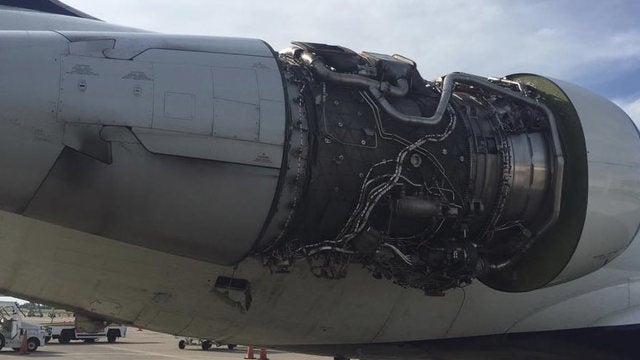
The cowling covering this engine came off midflight, prompting the pilot to make an emergency landing. WTVF
Gemini Sparkle

Key Takeaways:

  • Pilots often exhibit poor habits during instrument approaches, such as timing ILS approaches for glideslope failure or relying on timed approaches without accurate ground speed, which are frequently less safe than alternative procedures.
  • Common errors include misinterpreting FAA regulations, like the 1-2-3 rule for alternates or descent minimums with approach lights, and strictly adhering to GPS instructions for course reversals when flexibility could improve safety and ease.
  • The article emphasizes the importance of thoroughly briefing missed approaches, maintaining proficiency in all types of instrument approaches (not just GPS), and continuously seeking improvement through critical self-assessment and varied instruction to correct unrecognized mistakes.
See a mistake? Contact us.

Whether it’s a result of faulty instruction or an accumulation of bad habits over time, I often see pilots who come in for a Flight Review or Instrument Proficiency Check who exhibit habits that either make no sense or worse yet, contribute to poor piloting technique. Being able to recognize these mistakes and correct them is often difficult especially without someone looking over your shoulder. Sometimes critical thinking after a flight is the best way to figure out if what you did was correct. Take that time and look for improvements from each and every flight.

Uh, What Happened?

Ready to Sell Your Aircraft?

List your airplane on AircraftForSale.com and reach qualified buyers.

List Your Aircraft
AircraftForSale Logo | FLYING Logo
Pilot in aircraft
Sign-up for newsletters & special offers!

Get the latest stories & special offers delivered directly to your inbox.

SUBSCRIBE
