The U.S. pilot population doesnt have a good track record with weather safety. Inadvertent VFR into IMC was responsible for over half of 2010s 55 weather-related accidents, of which 83 percent proved fatal. Projections are for that to get worse. Do we just not see the weather coming, causing us to innocently fly where we shouldnt? …
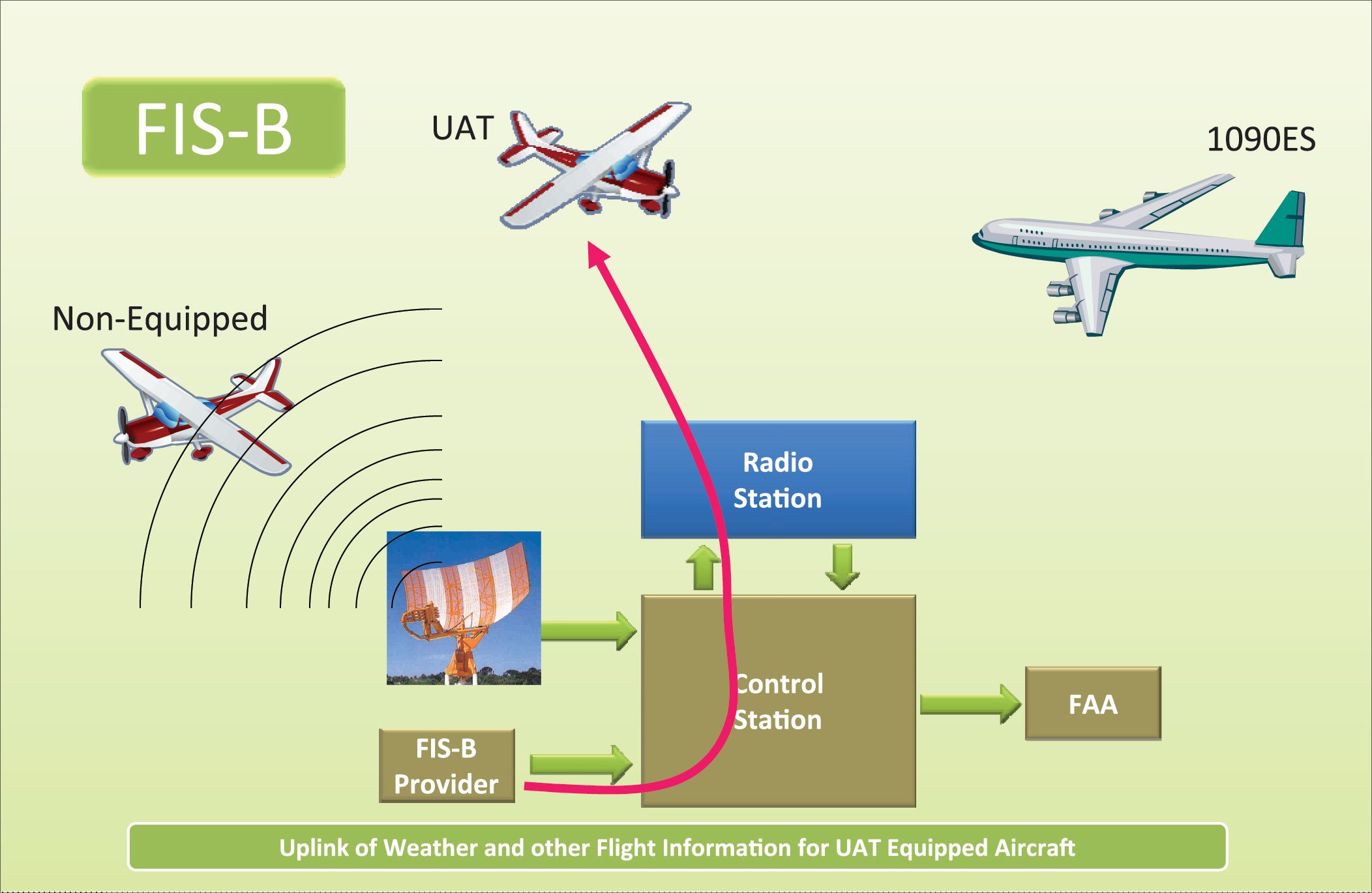
The article compares two in-cockpit weather services: the FAA's free, ground-station-based FIS-B, and Sirius XM's subscription-based, satellite-delivered XMWX, both designed to improve pilot weather safety and decision-making.
XMWX offers a broader range of detailed weather products, continuous updates, and wider geographic coverage (including Canada), making it suitable for serious all-weather and long-distance flyers.
FIS-B provides a cost-effective alternative with essential weather data, though its ground-station-dependent delivery means periodic updates and potential coverage gaps, making it a viable option for many general aviation pilots.
The U.S. pilot population doesn’t have a good track record with weather safety. Inadvertent VFR into IMC was responsible for over half of 2010’s 55 weather-related accidents, of which 83 percent proved fatal. Projections are for that to get worse. Do we just not see the weather coming, causing us to innocently fly where we shouldn’t?
CREATE A FREE ACCOUNT
Sign up to keep reading
Create a free account to continue. Already a member? Sign in below.