













Register

Why We Make Mistakes

Our coverage of the FAAs Compliance Philosophy (April 2016 and April 2017 and in this issue) begs the question of how generally well-intentioned and experienced pilots fall out of compliance in the first place. A little research shows that falling onto the dark side can be slow and insidious with undesired side effects, eventually capable of triggering an incident or accident. …

Gemini Sparkle

Key Takeaways:

  • Pilots and organizations can gradually drift into noncompliance due to intentional shortcuts, perceived inefficiencies, or unintentional oversight.
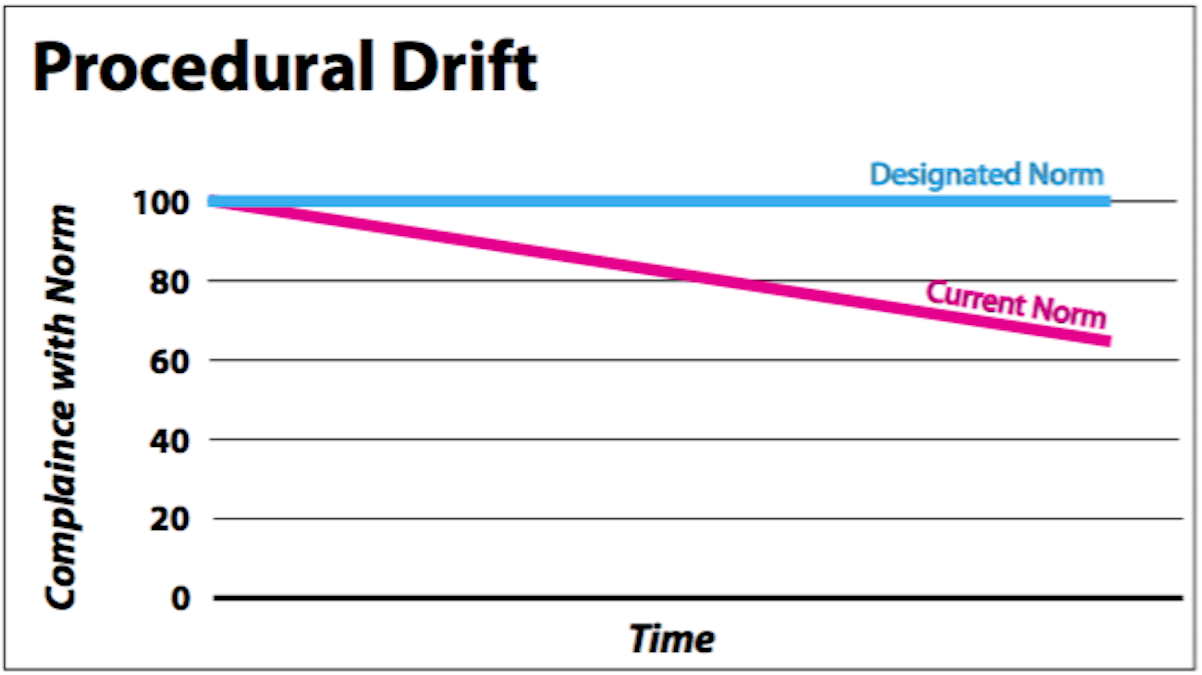
  • This leads to "normalization of deviance" and "procedural drift," where unsafe practices become routine over time because immediate negative consequences are absent.
  • Such habitual noncompliance, even by experienced crews, dramatically increases the likelihood of errors and accidents, underscoring the vital importance of strict adherence to established safety procedures.
See a mistake? Contact us.

Our coverage of the FAA’s Compliance Philosophy (April 2016 and April 2017 and in this issue) begs the question of how generally well-intentioned and experienced pilots fall out of compliance in the first place. A little research shows that falling onto the dark side can be slow and insidious with undesired side effects, eventually capable of triggering an incident or accident.

Not only pilots are affected. Noncompliance can worm its way into company and organizational cultures as well, sometimes with even more disastrous outcomes. Let’s dig into this to see how we can avoid the slippery slope of even initially innocent noncompliance that often ends in serious incidents or accidents.


Ready to Sell Your Aircraft?

List your airplane on AircraftForSale.com and reach qualified buyers.

List Your Aircraft
AircraftForSale Logo | FLYING Logo
Pilot in aircraft
Sign-up for newsletters & special offers!

Get the latest stories & special offers delivered directly to your inbox.

SUBSCRIBE