













Register

Weather Observations

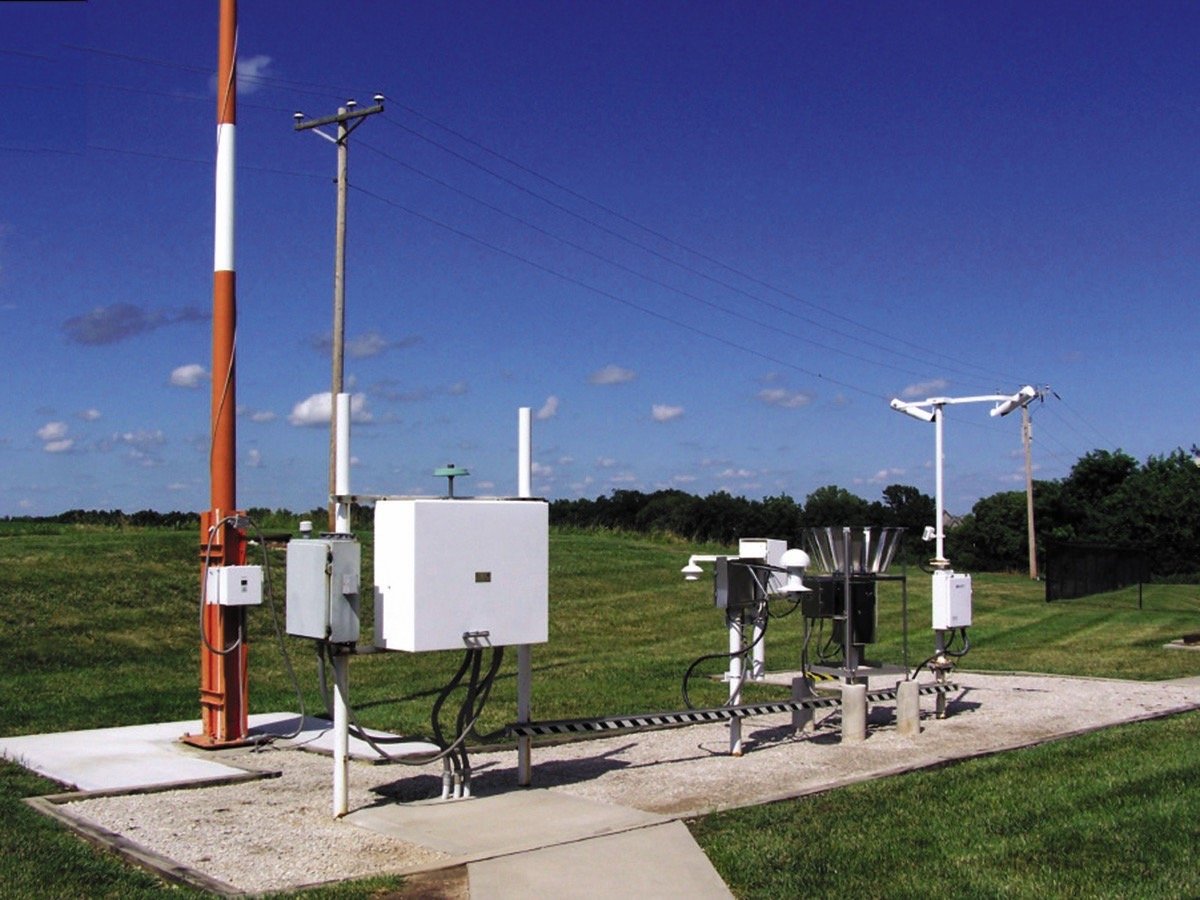
The ASOS system was developed in the late 1980s to relieve the expense of maintaining human observers at hundreds of sites, improve consistency of observations, and bring high-quality observations to rural and remote airports. Much like NEXRAD it was a joint product of the FAA, NWS, and DoD, and was fielded at 1000 US airports between 1991 and 2004. Its main components are temperature, dewpoint, and wind sensors, along with new technology like sky condition, present weather, and visibility sensors.


ASOS stations like this have all but replaced human weather observers throughout the U.S.
Gemini Sparkle

Key Takeaways:

  • The Automated Surface Observation System (ASOS) was developed to automate weather observations for METARs, utilizing various sensors for elements like temperature, wind, and visibility to replace human observers.
  • Each ASOS sensor technology, despite evolving over time, has specific vulnerabilities and limitations, such as susceptibility to environmental factors, mechanical issues, or limited sampling areas, which can lead to inaccuracies.
  • Pilots must be aware of ASOS system limitations and cross-reference METAR data with other sources (e.g., surrounding airports, satellite imagery, human-augmented observations, ATC) for a complete and accurate weather picture, particularly in challenging weather conditions, to ensure safety.
See a mistake? Contact us.

The one data format pilots are most familiar with is the METAR. You’ve read all about it in training and on pilot forums. In the U.S. they’re driven mostly by ASOS, the Automated Surface Observation System. Unfortunately this is covered a lot less in pilot training. But even in 2019 these systems are not infallible. We’ll go over this technology and help you understand what you need to know to stay safe.

The ASOS system was developed in the late 1980s to relieve the expense of maintaining human observers at hundreds of sites, improve consistency of observations, and bring high-quality observations to rural and remote airports. Much like NEXRAD it was a joint product of the FAA, NWS, and DoD, and was fielded at 1000 US airports between 1991 and 2004. Its main components are temperature, dewpoint, and wind sensors, along with new technology like sky condition, present weather, and visibility sensors.

Ready to Sell Your Aircraft?

List your airplane on AircraftForSale.com and reach qualified buyers.

List Your Aircraft
AircraftForSale Logo | FLYING Logo
Pilot in aircraft
Sign-up for newsletters & special offers!

Get the latest stories & special offers delivered directly to your inbox.

SUBSCRIBE