











American Champion 7GCAA Binding Aileron The right aileron was binding during aerobatic maneuvers. Investigation revealed the clearance between the aileron and the aileron bay rib was approximately 1/16 inch. Per American Champion, it should be inch. The inboard aileron bay rib appeared to have bowed due to fabric shrinkage, causing the 288
Wear And Tear
The right aileron was binding during aerobatic maneuvers. Investigation revealed the clearance between the aileron and the aileron bay rib was approximately 1/16 inch. Per American Champion, it should be inch. The inboard aileron bay rib appeared to have bowed due to fabric shrinkage, causing the interference. The aileron rib fabric was opened and the rib was relocated outboard 3/16 inch. Per the manufacturer, aileron balancing was not required. The aileron was reinstalled, with the clearance and operation satisfactory.

Key Takeaways:
- Fabric shrinkage can lead to structural deformation impacting flight control functionality, as seen with the American Champion's binding aileron.
- Aging and embrittlement of plastic components can cause critical failures in control systems, highlighted by the Cessna's broken rudder pedal bearings.
- Maintenance manuals may lack service limits or repair data for critical components like the Piper nose gear steering mount, leading to challenges in identifying and addressing wear.
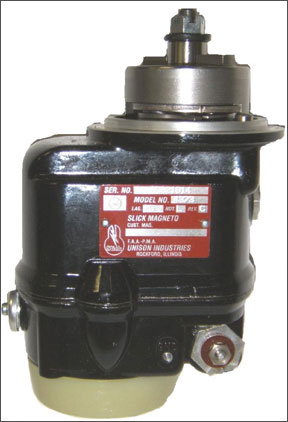
- Premature failures of engine-related components, such as a Slick Magneto's contact arm and Sky Tec Starter end caps, suggest potential manufacturing or material issues at low operating hours.
Key takeaways sponsored by Aviator Pro | Start Your Training ->
See a mistake? Contact us.

