










Register

Wake Turbulence

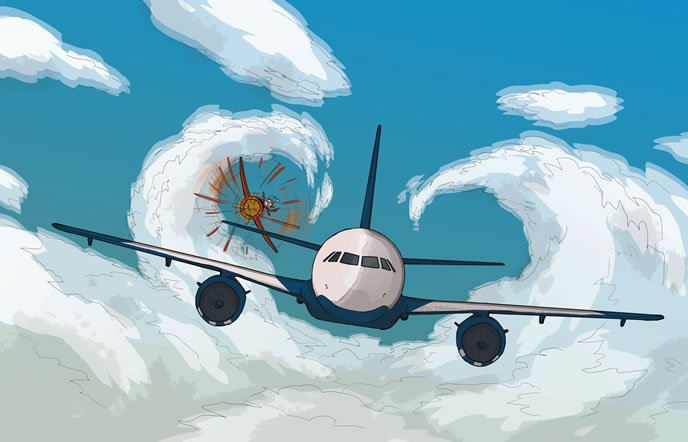
Let me say at the outset that general aviation pilots do not have to worry about wake turbulence because wake turbulence will only be dangerous on takeoff, departure, climb-out, enroute, descent, approach and landing.See, no problem.Oh, uh…wait-that pretty much covers the entire flight, doesnt it? Maybe we should worry about wake turbulence.

Gemini Sparkle

Key Takeaways:

  • Wake turbulence is a serious and often invisible aviation hazard caused by wingtip vortices, strongest when generated by heavy, slow aircraft, particularly in stable air with light crosswinds, and is a threat throughout all phases of flight.
  • These powerful vortices can persist for miles, sink about 1000 feet, and drift, leading to fatal accidents if trailing aircraft encounter them due to insufficient separation.
  • Pilots must protect themselves by understanding wake turbulence conditions, maintaining safe separation distances (5-8+ miles depending on aircraft size), staying above the preceding aircraft's glidepath and upwind, and being prepared to go around or make smooth corrections if turbulence is encountered.
See a mistake? Contact us.

Let me say at the outset that general aviation pilots do not have to worry about wake turbulence because wake turbulence will only be dangerous on takeoff, departure, climb-out, enroute, descent, approach and landing.

Ready to Sell Your Aircraft?

List your airplane on AircraftForSale.com and reach qualified buyers.

List Your Aircraft
AircraftForSale Logo | FLYING Logo
Pilot in aircraft
Sign-up for newsletters & special offers!

Get the latest stories & special offers delivered directly to your inbox.

SUBSCRIBE


