Register

Understanding Squawks and How to Best Handle Them

When there are issues with the aircraft, should you still fly?

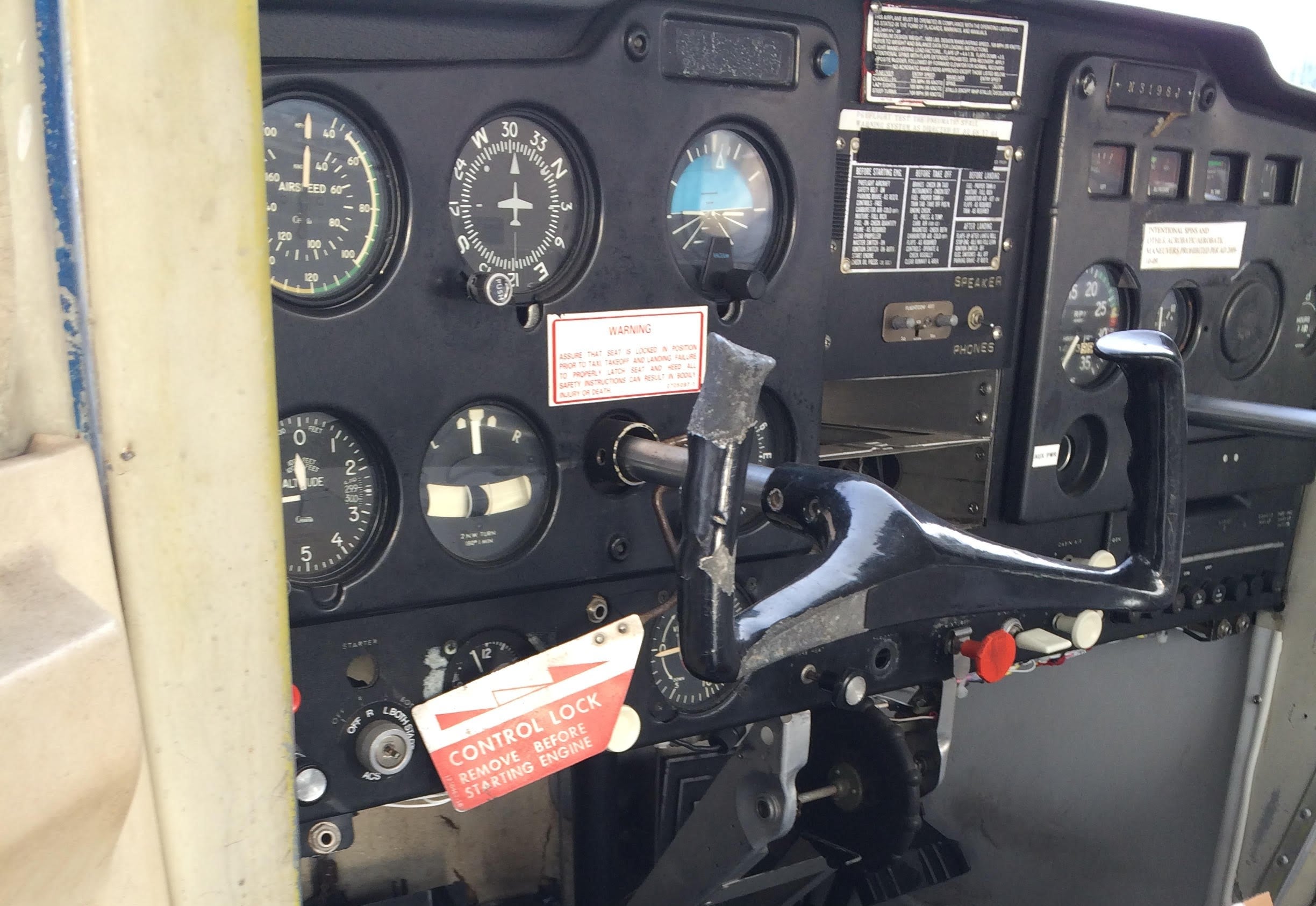
When reporting squawks, it's important to document the issue by noting the date, time, condition of flight, and, if appropriate, which instructor you were flying with when the issue happened. [Courtesy: Meg Godlewski
Gemini Sparkle

Key Takeaways:

  • Pilots must understand Federal Aviation Regulations (e.g., FAR 91.205) to determine the legality of flying with inoperative equipment, alongside exercising good judgment about mission impact and potential distractions.
  • Professional conduct is paramount, as demonstrated by the contrast between a learner correctly identifying non-critical inoperative equipment and an instructor inappropriately lecturing a peer over the radio about a legally ferryable aircraft.
  • Effective flight training encompasses teaching learners how to look up regulations, mitigate inoperative instrument distractions (e.g., by covering them), and provide detailed squawk reports for maintenance.
See a mistake? Contact us.

“I’m not sure if we can do the flight today,” the learner said, pointing to a placard in the aircraft that read “Landing Light INOP.” He noted the circuit breaker was also pulled.

“Do we need the landing light for this flight?” I asked. 

Meg Godlewski

Meg Godlewski has been an aviation journalist for more than 24 years and a CFI for more than 20 years. If she is not flying or teaching aviation, she is writing about it. Meg is a founding member of the Pilot Proficiency Center at EAA AirVenture and excels at the application of simulation technology to flatten the learning curve. Follow Meg on Twitter @2Lewski.

Ready to Sell Your Aircraft?

List your airplane on AircraftForSale.com and reach qualified buyers.

List Your Aircraft
AircraftForSale Logo | FLYING Logo
Pilot in aircraft
Sign-up for newsletters & special offers!

Get the latest stories & special offers delivered directly to your inbox.

SUBSCRIBE