











The short-field approach and landing is something we all learned as student pilots. Commercial students get to show some additional expertise. However, both the private and even commercial requirements are a bit relaxed and dont really prepare us for that maximum performance, white-knuckle experience of putting the airplane down on that postage stamp some joker sadistically calls a runway. 288
True Short Field Landings
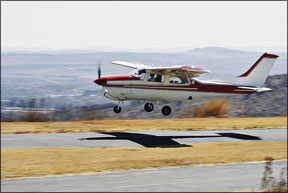
The short-field approach and landing is something we all learned as student pilots. Commercial students get to show some additional expertise. However, both the private and even commercial requirements are a bit relaxed and dont really prepare us for that maximum performance, white-knuckle experience of putting the airplane down on that postage stamp some joker sadistically calls a runway. When we say "short-field approach and landing," were really talking about two entirely different situations with different techniques. Obstacles at the approach end of the runway determine how we will make the approach-whether we can "drag it in" a few feet off the ground, or if we have to make a steep descent to clear the FAAs standard-issue 50-foot tree right at the runway threshold.

Key Takeaways:
- Effective short-field operations require meticulous adherence to basics, including precise pattern flying, consistent airspeed management, and proficiency in slow flight, using pitch for airspeed and power for descent.
- Specific landing techniques vary: either a steep power-managed descent to clear obstacles, or "dragging it in" low over an unobstructed runway by aiming before the threshold and leveraging ground effect for a firm, minimal-float touchdown.
- Post-landing, maximize stopping distance by immediately applying back elevator for aerodynamic braking, raising flaps, and using maximum effective braking. For takeoff, prioritize starting at the runway's end, applying static power (if safe), and precisely maintaining VX (best angle of climb speed) to clear obstacles.
Key takeaways sponsored by Aviator Pro | Start Your Training ->
See a mistake? Contact us.

