











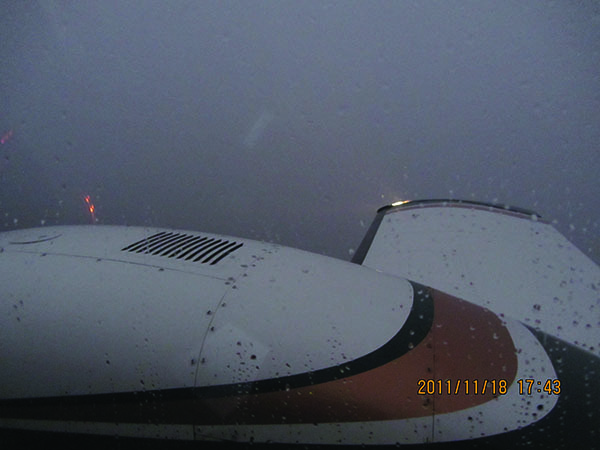


Whether we want to admit it or not, human flight by reference to instruments alone is an unnatural act. To determine up from down or left from right without a natural horizon, we need hours of training, and even more hours of regular practice. We also need a decently equipped airplane, stuffed with radios, colorful moving maps, some gyroscopes or their electronic equivalent, and more than a few charts, telling us where to go and how to get there.
Yes, flying IFR is complicated when we’re single-pilot in busy airspace, but it’s complicated even when we’re the only airplane on the frequency. So it’s no wonder pilots make mistakes when flying in the IFR system. The goal we all should be trying to achieve is to fly a perfect flight—always ahead of the airplane, never missing an ATC call, and ensuring the airplane is where it’s supposed to be at all times. With that in mind, let’s explore some areas where GA pilots typically need help—myself included.

