











Its inevitable. Youll be standing on the ramp, clutching an avgas receipt rivaling Greeces national debt. Your chest throbs. You cant breathe, and ripping off your bolo tie, you scream, “Enough! I cant take this anymore!” Heart attack? Time to kiss 30 years of flying good-bye? Perhaps, but in this scenario, no. Instead, as you wander off toward your car, its first-love rekindled as you spot an old flame lounging in the grass across the field: a 1946 Aeronca 288
Tips for Full-Circle Pilots
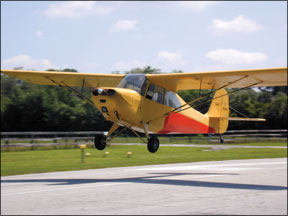
Its inevitable. Youll be standing on the ramp, clutching an avgas receipt rivaling Greeces national debt. Your chest throbs. You cant breathe, and ripping off your bolo tie, you scream, "Enough! I cant take this anymore!" Heart attack? Time to kiss 30 years of flying good-bye? Perhaps, but in this scenario, no. Instead, as you wander off toward your car, its first-love rekindled as you spot an old flame lounging in the grass across the field: a 1946 Aeronca Champ. And as your six-place Twin Turbo-Moneysucker is tugged off to its hangar, you stumble zombie-like toward the little taildragger and stammer to its owner, "I learned to fly in one of these…." She, then, takes your hand, guides you into the front seat and whispers, "Its time. Weve been waiting for you." When she swings the prop by hand the 65-hp engine barks like a puppy on Christmas morning, and off you fly back to your aviation roots. Your flying life isnt over. Its merely come full circle, thanks to old airplanes that qualify as Light Sport Aircraft (LSA).

Key Takeaways:
- Legacy Light Sport Aircraft (LSAs), especially old taildraggers, offer pilots a path to rediscover the pure, fundamental joy and "stick-and-rudder" skills of aviation.
- These simpler, relatively inexpensive aircraft provide accessibility through Sport Pilot privileges, allowing pilots to avoid medical certificate hassles.
- Transitioning to classic taildraggers demands a visceral understanding of flight, emphasizing coordination, feel for the aircraft, and mastering techniques like power-off approaches and specific crosswind landing procedures due to their lack of modern aids.
Key takeaways sponsored by Aviator Pro | Start Your Training ->
See a mistake? Contact us.

