













Register

Tight On Fuel

Gemini Sparkle

Key Takeaways:

  • Standard one-hour fuel reserves are often insufficient for complex IFR flights, especially long trips at maximum weight with adverse weather, necessitating meticulous fuel planning.
  • Strict IFR regulations (§91.167) require fuel for approaches at both the destination and an alternate, plus a 45-minute reserve, often making initially calculated "solid" reserves critically low or illegal.
  • Relying solely on minimum legal fuel fails to account for real-world contingencies such as multiple approach attempts, holding, or unexpected diversions, emphasizing the need for more robust margins.
  • A safer and more convenient strategy for challenging IFR flights is to proactively plan for an intermediate fuel stop or a readily accessible VFR alternate, providing ample fuel, flexibility, and reducing pilot stress.
See a mistake? Contact us.

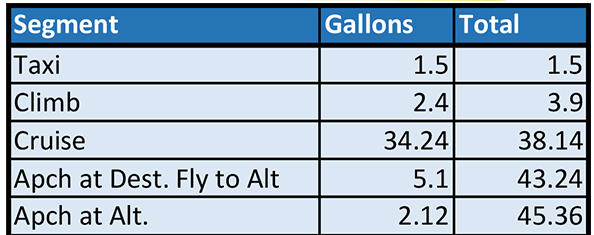
That typical one-hour fuel reserve most of us use for personal flying works great, mainly ’cause we rarely need it. In most cases, there’s four-plus hours of fuel for a two-hour flight that includes an alternate just down the road. Use a (conservative) default fuel burn to estimate it, and you’re all set. But when loaded up to max weight for a long trip requiring IFR contingency planning, fuel can get tight. That’s when we’ll just stick a suitable fuel stop in the flight plan and go, right? Sure, unless the thought of making it non-stop can trigger symptoms of get-there-itis.

Perhaps you feel a fuel planning exercise coming on. If you do, you’d be correct, but stick with this—it’ll be interesting. Let’s start with the route: Rochester, New York, to Indianapolis Metropolitan.


Ready to Sell Your Aircraft?

List your airplane on AircraftForSale.com and reach qualified buyers.

List Your Aircraft
AircraftForSale Logo | FLYING Logo
Pilot in aircraft
Sign-up for newsletters & special offers!

Get the latest stories & special offers delivered directly to your inbox.

SUBSCRIBE