













Register

Those Grey Areas

Gemini Sparkle

Key Takeaways:

  • Pilots face complex decisions when flying instrument approaches in marginal or "grey zone" weather, requiring careful pre-planning and judgment.
  • The article demonstrates the importance of executing a missed approach when visual landing criteria are not met, even when close to minimums.
  • Holding patterns or a second approach can provide critical time for weather conditions to improve, enabling a safer landing.
  • Discrepancies between automated weather reports (AWOS) and actual in-flight visibility necessitate pilot awareness of reporting nuances and potential margins of error.
See a mistake? Contact us.

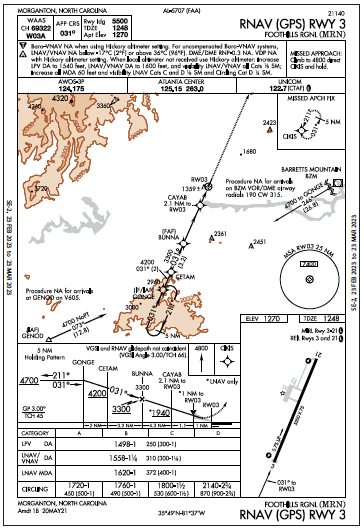
Most instrument trips end with one approach and one landing, after which you go about your day. For those times when one approach doesn’t result in a touchdown, the choices are: A second approach, or a diversion, hopefully somewhere with coffee and cookies. The common protocol is to decide that ahead of time, based on conditions and your own policies. But when the weather’s in that grey zone between IFR and VFR, there’ll be some choices that aren’t always clear-cut.

Making Tweaks

Ready to Sell Your Aircraft?

List your airplane on AircraftForSale.com and reach qualified buyers.

List Your Aircraft
AircraftForSale Logo | FLYING Logo
Pilot in aircraft
Sign-up for newsletters & special offers!

Get the latest stories & special offers delivered directly to your inbox.

SUBSCRIBE
