













Register

Think Outside the Box

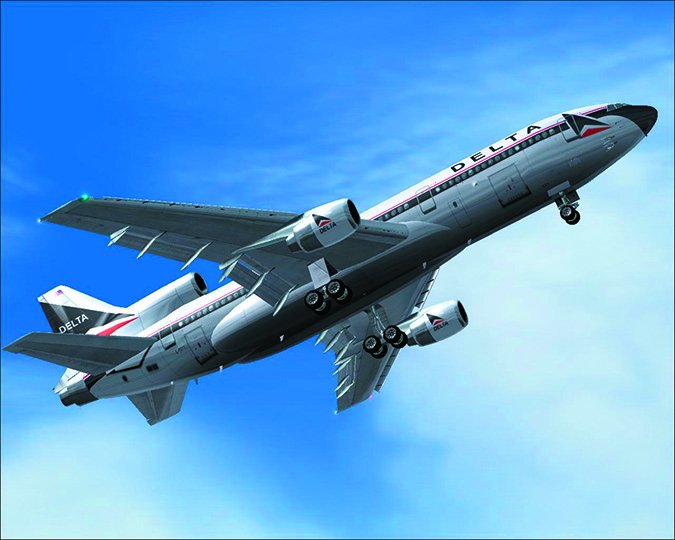
They almost made it. The aircraft was on a very short final when the nose started down. The flight crew pushed the thrust levers for both wing engines up to stop the sink but the left engine spooled up faster than the right engine and the aircraft started a turn to the right, from which there was no time to recover.

Gemini Sparkle

Key Takeaways:

  • Pilots must be prepared for situations where no Standard Operating Procedures (SOPs) exist, requiring "outside the box" thinking and creative problem-solving to maintain control.
  • Key techniques for handling non-SOP emergencies include using thrust vectoring for control, utilizing secondary flight controls, and reverting to fundamental "pitch and power" flying when primary instruments fail.
  • Successful outcomes in such events depend on pilots' deep understanding of aircraft systems and aerodynamics, emphasizing the critical importance of continuously prioritizing "flying the airplane first."
See a mistake? Contact us.

First, as a graduate of the United States Air Force Pilot Training Program, as a former U.S. Air Force pilot, as a retired Captain for a major United States air carrier, and as an instructor at a leading corporate pilot training center, I am a strong believer in Standard Operating Procedures (SOP).

However, I recognize that every now and then, some occasion will arise where there is no established procedure that may be used to solve the problem. When that happens, a pilot is sometimes left to his or her own to figure out what to do.


Ready to Sell Your Aircraft?

List your airplane on AircraftForSale.com and reach qualified buyers.

List Your Aircraft
AircraftForSale Logo | FLYING Logo
Pilot in aircraft
Sign-up for newsletters & special offers!

Get the latest stories & special offers delivered directly to your inbox.

SUBSCRIBE